Homes and Shelter
The types of homes people lived in depended on where they lived and what materials were available. In ancient times, many families lived in simple shelters made from mud, stone, wood, or animal hides. By the Middle Ages in Europe, most common people lived in small cottages with thatched roofs and dirt floors. In colonial America, families often lived in one-room log cabins where they cooked, ate, and slept all in the same space. Homes did not have central heating, so families gathered around fireplaces to stay warm during cold winters.
Food and Cooking
Before grocery stores and refrigerators existed, getting food was a major part of daily life. Most families grew their own fruits and vegetables in gardens or on small farms. Meat came from hunting wild animals or raising livestock like chickens, pigs, and cows. Cooking was done over open fires or in wood-burning stoves, and meals were usually simple dishes like stews, bread, and porridge. Preserving food was important too — families used methods like salting, smoking, and drying to keep food from spoiling.
Clothing and Fashion
People in the past could not simply go to a store to buy new clothes. In many time periods, families made their own clothing by spinning thread, weaving fabric, and sewing garments by hand. Clothes were often made from natural materials like wool, linen, and cotton. Children usually had only one or two outfits, and clothing was mended and passed down to younger siblings. It was not until the Industrial Revolution in the 1800s that factories began producing clothing in large quantities, making it more affordable for ordinary families.
Work and Chores
In earlier centuries, children were expected to help with household chores from a very young age. Boys often worked alongside their fathers in the fields, learning to plow, plant, and harvest crops. Girls typically helped their mothers with cooking, cleaning, spinning wool, and caring for younger children. Many children also worked as apprentices, learning trades like blacksmithing, carpentry, or baking from skilled craftspeople. The workday was long, often starting at sunrise and ending at sunset.
School and Education
Education looked very different in the past compared to today. In ancient civilizations like Greece and Rome, only wealthy boys were allowed to attend school. During the Middle Ages in Europe, most children did not go to school at all and instead learned skills from their parents. In colonial America, some towns had one-room schoolhouses where children of all ages learned together with a single teacher. Students wrote on small chalkboards called slates because paper and books were expensive and hard to find.
Transportation and Travel
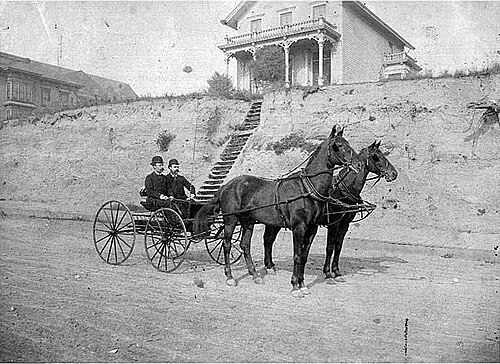
Getting from one place to another was much slower and more difficult in the past. For thousands of years, people traveled on foot or rode horses and donkeys. Boats and ships were used to cross rivers and oceans, but voyages could take weeks or even months. In the 1800s, steam-powered trains and ships made travel faster and opened up new parts of the world. The invention of the automobile in the late 1800s and the airplane in 1903 eventually transformed how people moved from place to place.
Fun and Entertainment
Even without television, video games, or the internet, people in the past found plenty of ways to have fun. Children played with simple toys like dolls made from cloth or corn husks, wooden tops, and marbles. Families enjoyed storytelling, singing, and playing music together in the evenings. Community events like fairs, dances, and festivals brought people together for celebrations. Board games have been popular for thousands of years — the ancient Egyptians played a board game called Senet more than 5,000 years ago.
 OtterKnow Kids Encyclopedia