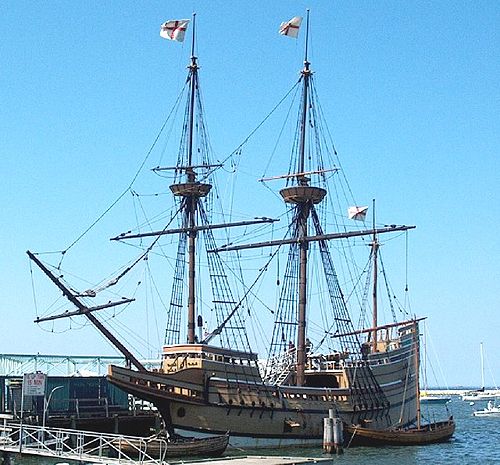
Early Explorers
Some of the most famous explorers sailed during the late 1400s and early 1500s. In 1492, Christopher Columbus sailed west from Spain hoping to reach Asia but instead landed in the Caribbean islands. Portuguese explorer Vasco da Gama became the first European to sail around Africa to reach India in 1498. Ferdinand Magellan’s expedition, which set out from Spain in 1519, became the first to sail all the way around the world, though Magellan himself died during the voyage. These explorers opened up new connections between Europe and other parts of the world, but their arrival often brought great harm to the people already living there.
Impact on Indigenous Peoples
European exploration had devastating consequences for the Indigenous peoples of the Americas, Africa, and other regions. When Europeans arrived in the Americas, they brought diseases like smallpox, measles, and influenza that Indigenous peoples had never encountered before. These diseases killed millions of Native Americans — some historians estimate that up to 90 percent of the Indigenous population in certain areas died from European diseases. European colonizers also took land by force, destroyed communities, and forced many Indigenous people into labor. The cultures, languages, and ways of life of countless Indigenous groups were disrupted or lost forever.
Colonization of the Americas
After the explorers came the colonizers, who set up permanent settlements in the lands they claimed. Spain established colonies throughout Central and South America, the Caribbean, and parts of North America. England founded 13 colonies along the eastern coast of North America, starting with Jamestown, Virginia, in 1607. France claimed large areas of Canada and the Mississippi River valley, while Portugal colonized Brazil. These colonies were designed to send wealth back to Europe through the export of resources like sugar, tobacco, cotton, and precious metals.
The Atlantic Slave Trade
One of the most tragic chapters of the colonial era was the Atlantic slave trade. Beginning in the 1500s, European traders forced millions of African people from their homes and shipped them across the Atlantic Ocean to work as enslaved laborers in the colonies. The journey across the ocean, known as the Middle Passage, was horrific — enslaved people were packed into ships in terrible conditions, and many did not survive. Over nearly four centuries, an estimated 12.5 million Africans were forcibly transported to the Americas. The slave trade caused enormous suffering and its effects are still felt today.
Life in the Colonies
Daily life in the European colonies varied greatly depending on where people lived and who they were. In the English colonies of North America, many settlers were farmers who grew crops like corn, wheat, and tobacco. Colonial towns had shops, churches, and schools, and trades like blacksmithing and carpentry were important. However, life was very different for enslaved people, who were forced to work without pay and had no freedom or rights. Indigenous peoples who survived colonization were often pushed off their ancestral lands and onto smaller territories.
Resistance and Independence
Throughout the colonial period, many people fought back against European control. Indigenous peoples resisted colonization through warfare, alliances, and by preserving their cultural traditions. Enslaved people resisted through rebellions, escaping to freedom, and maintaining their African cultural practices. By the late 1700s and early 1800s, colonists themselves began demanding independence from European rule. The American Revolution in 1776 and independence movements across Latin America led by leaders like Simón Bolívar showed that colonial rule would not last forever.
The Legacy of Colonization
The Age of Exploration and colonization changed the world in ways that are still visible today. European languages like Spanish, English, Portuguese, and French are now spoken across the globe because of colonization. Foods, plants, and animals were exchanged between continents in what historians call the Columbian Exchange — tomatoes and potatoes went from the Americas to Europe, while horses and wheat came from Europe to the Americas. However, colonization also left a legacy of inequality, as many formerly colonized countries continue to deal with the lasting effects of exploitation and the loss of Indigenous lands and cultures.
 OtterKnow Kids Encyclopedia