Why Do We Study History?
Studying history helps us understand the present by showing us how we got here. When we learn about past mistakes, we can try to avoid making the same ones in the future. History also helps us understand people from different cultures and time periods, building empathy and appreciation for experiences different from our own. Leaders, scientists, and ordinary citizens all use lessons from history to make better decisions about the future.
Primary and Secondary Sources
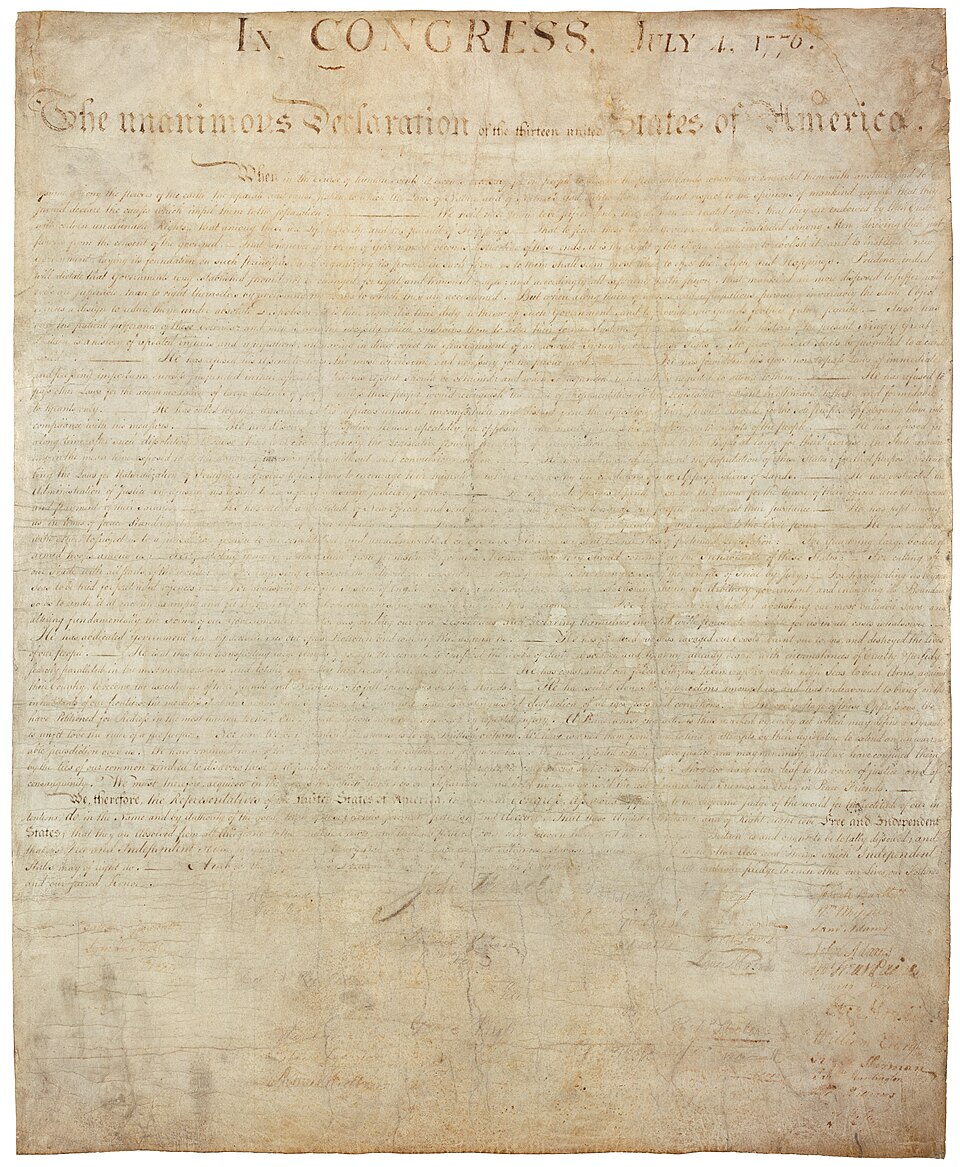
Historians use two main types of evidence to learn about the past: primary sources and secondary sources. Primary sources are original materials from the time period being studied, such as letters, diaries, photographs, maps, and newspapers. Secondary sources are works created later by people who studied those primary sources, like textbooks, documentaries, and encyclopedia articles. By comparing multiple sources, historians can piece together a more complete and accurate picture of what really happened.
How Do We Know What Happened Long Ago?
People have been recording history in different ways for thousands of years, starting with cave paintings that are over 40,000 years old. Ancient civilizations like the Sumerians invented writing around 3200 BCE, which allowed them to keep detailed records of their laws, trades, and stories. Archaeologists dig up artifacts like pottery, tools, and buildings to learn about cultures that left no written records. Even fossils, tree rings, and ice cores can tell scientists about conditions on Earth long before any humans were around to write things down.
Different Perspectives in History
One important thing to understand about history is that different people can have very different views of the same event. A war, for example, looks very different depending on whether you are on the winning or losing side. For a long time, many history books told stories mainly from the perspective of powerful rulers and wealthy men, leaving out the experiences of women, children, and ordinary workers. Modern historians work hard to include many voices and viewpoints so we can get a fuller, more honest picture of the past.
Timelines and Eras
Historians organize the past into time periods and eras to make it easier to study and understand. A timeline is a visual tool that shows events in the order they happened, helping us see connections between things that occurred around the same time. Western historians often divide history into major eras like Ancient, Medieval, and Modern, while other cultures organize time differently. The labels BCE (Before Common Era) and CE (Common Era) are used worldwide to number years, with year 1 CE starting about 2,026 years ago.
History Is All Around Us
You do not have to go to a museum or read a thick book to find history, because it is all around you every day. The buildings in your town, the names of your streets, and the holidays your family celebrates all have historical stories behind them. Your own family has a history too, with stories passed down from grandparents and great-grandparents about where they came from and what life was like. Talking to older family members and looking at old photographs are great ways to start exploring history right in your own home.
You Are Part of History
Every person alive today is part of history being made right now. The choices your generation makes about technology, the environment, and how to treat one another will be studied by future historians. Keeping a journal, saving photographs, and recording family stories are all ways you can help preserve history for people who come after you. By learning about the past and paying attention to the present, you become both a student of history and a maker of it.
 OtterKnow Kids Encyclopedia