The History of Christmas
The earliest Christmas celebrations date back to the 4th century, when the Roman Catholic Church chose December 25th as the day to honor the birth of Jesus. Historians believe this date was selected partly because it was close to the Roman winter solstice festival called Saturnalia. During the Middle Ages, Christmas grew into a major holiday across Europe, with feasts, church services, and gift-giving. Many of the traditions we know today, like decorating trees and exchanging presents, developed over hundreds of years in different countries.
Christmas Traditions Around the World
In the United States and Canada, families often decorate Christmas trees, hang stockings, and exchange gifts on Christmas morning. In Mexico, people celebrate with posadas, which are processions reenacting Mary and Joseph’s search for shelter in Bethlehem. In Germany, families enjoy Advent calendars and Christmas markets filled with handmade crafts and treats. In Australia, where December falls during summer, people sometimes celebrate with barbecues and trips to the beach.
Santa Claus and Gift-Giving
The figure of Santa Claus is based on Saint Nicholas, a Christian bishop who lived in the 4th century in what is now Turkey and was known for his generous gifts to the poor. Dutch settlers brought the tradition of Sinterklaas to America, where the name gradually changed to Santa Claus. The modern image of Santa as a jolly man in a red suit became popular in the 1800s and early 1900s through illustrations and advertisements. In other countries, gift-bringers have different names, such as Father Christmas in England, Pere Noel in France, and the Three Kings in parts of Latin America.
Christmas Decorations and Symbols
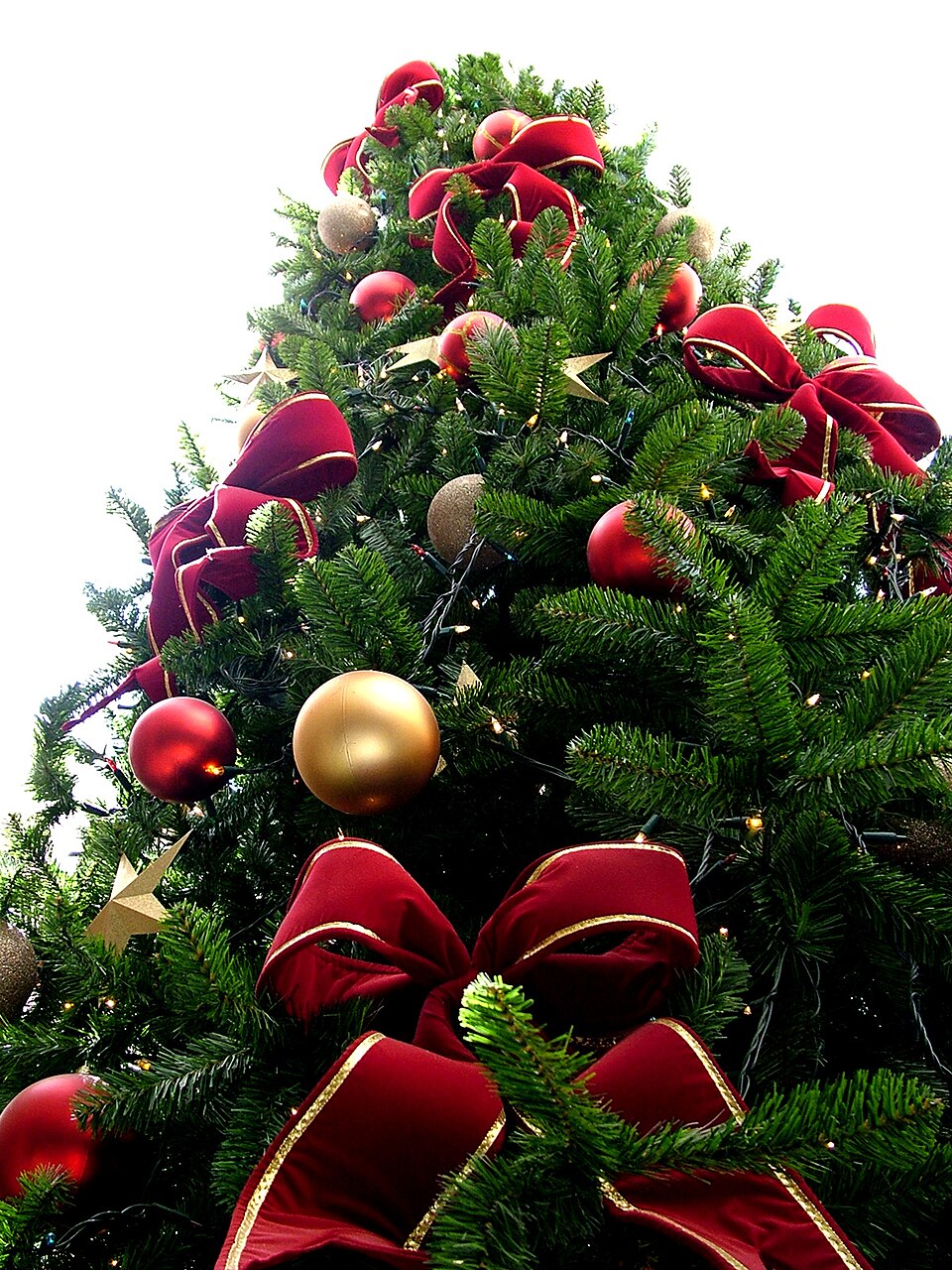
The Christmas tree tradition is believed to have started in Germany during the 1500s, when families brought evergreen trees indoors and decorated them with candles and ornaments. Evergreen plants like holly, ivy, and mistletoe have been used as winter decorations for centuries because they stay green even in the coldest months. The poinsettia, a bright red plant from Mexico, became a popular Christmas decoration in the United States in the 1800s. Other common symbols include candy canes, wreaths, and the star or angel placed on top of the tree.
Christmas Music and Stories
Christmas carols have been part of the holiday for hundreds of years, with some of the oldest songs dating back to the 13th century. “Silent Night,” written in Austria in 1818, is one of the most famous Christmas carols and has been translated into more than 300 languages. Classic stories like Charles Dickens’s “A Christmas Carol,” published in 1843, helped shape the modern spirit of Christmas generosity. Today, holiday movies, TV specials, and popular songs are a big part of how families celebrate the season.
Christmas Food and Feasts
Special foods are an important part of Christmas celebrations in many cultures. In the United States and England, a traditional Christmas dinner often includes roasted turkey or ham with side dishes like mashed potatoes and cranberry sauce. In Italy, families celebrate with the Feast of the Seven Fishes on Christmas Eve, featuring different seafood dishes. In Japan, eating fried chicken from KFC on Christmas has become a popular modern tradition since the 1970s.
Why Christmas Matters
Christmas encourages people to think about kindness, generosity, and spending time with loved ones. Many communities organize food drives, toy donations, and volunteer events during the holiday season to help those in need. The holiday also brings people together across cultures, since so many countries have their own unique ways of celebrating. Through religious services, family gatherings, and acts of giving, Christmas reminds people of the importance of caring for one another.
 OtterKnow Kids Encyclopedia