The History of Halloween
Halloween has its roots in an ancient Celtic festival called Samhain, which was celebrated over 2,000 years ago in what is now Ireland, the United Kingdom, and northern France. The Celts believed that on the night of October 31st, the boundary between the living and the dead became thin, allowing spirits to return to earth. People lit bonfires and wore costumes made from animal skins to ward off ghosts. When the Romans conquered Celtic lands, they combined their own harvest festivals with Samhain traditions. Over time, the holiday evolved and blended with Christian observances like All Saints’ Day on November 1st.
Costumes and Trick-or-Treating
One of the most exciting parts of Halloween is choosing a costume. Children and adults dress up as everything from witches and vampires to superheroes and favorite characters from movies and books. Trick-or-treating became popular in the United States during the 1930s and 1940s, when children began going door to door asking for candy. The phrase “trick or treat” means that if no treat is given, the visitor might play a harmless prank. Today, millions of children across the country fill their bags and buckets with candy on Halloween night.
Jack-o’-Lanterns and Decorations
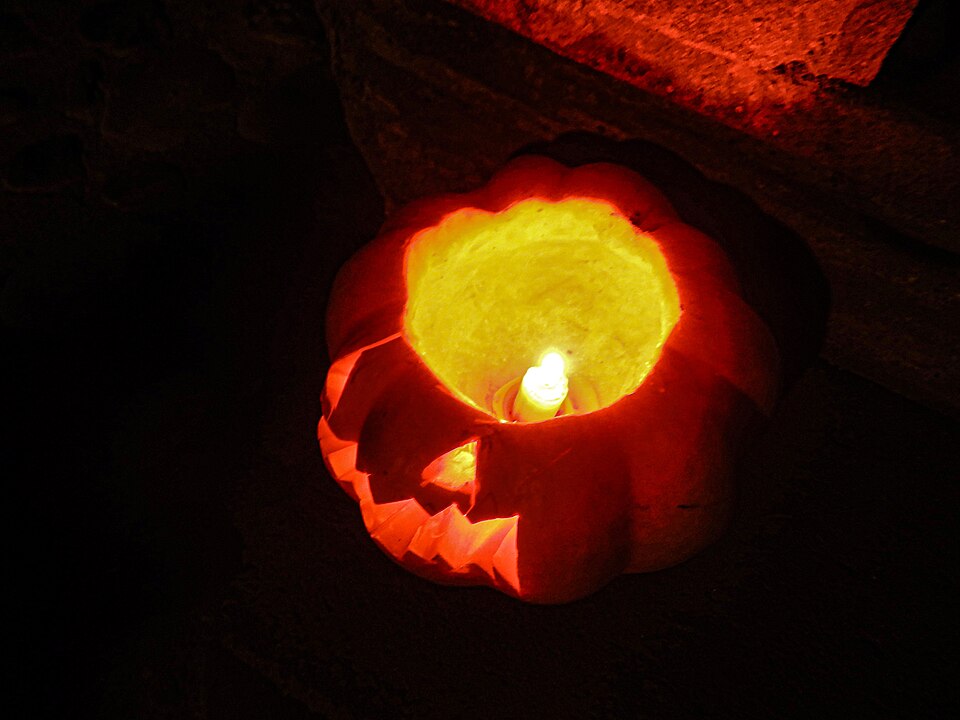
Carving pumpkins into jack-o’-lanterns is one of the most well-known Halloween traditions. The custom originally came from Ireland, where people carved faces into turnips and potatoes to scare away evil spirits. When Irish immigrants came to America in the 1800s, they discovered that pumpkins were much easier to carve. People place a candle or small light inside the carved pumpkin to make it glow at night. Homes are also decorated with fake spiderwebs, skeletons, bats, and other spooky items during the Halloween season.
Halloween Around the World
While Halloween is most popular in the United States and Canada, many other countries celebrate similar holidays. In Mexico, people celebrate Dia de los Muertos (Day of the Dead) on November 1st and 2nd, honoring family members who have passed away with colorful altars and sugar skulls. In Ireland, where Halloween began, people still celebrate with bonfires and traditional games. In some parts of Asia and South America, Halloween has become more popular in recent years thanks to movies and television. Each culture adds its own unique traditions to the celebration.
Haunted Houses and Scary Stories
Haunted houses are a popular Halloween attraction where people walk through dark rooms filled with actors in costumes, special effects, and spooky surprises. Some haunted houses raise money for charities and community organizations. Telling scary stories is another beloved Halloween tradition that dates back centuries. Classic tales like Washington Irving’s “The Legend of Sleepy Hollow,” written in 1820, are closely associated with the holiday. Many families enjoy reading spooky books or watching Halloween-themed movies together during the season.
Halloween Candy and Treats
Americans purchase nearly 600 million pounds of candy each year for Halloween, making it the biggest candy-selling holiday in the country. Popular Halloween treats include chocolate bars, candy corn, gummy worms, and lollipops. Candy corn has been made since the 1880s and remains one of the most recognizable Halloween candies. Some families also enjoy making special treats like caramel apples, popcorn balls, and Halloween-themed cookies. Many communities now organize trunk-or-treat events in parking lots as a safe alternative to traditional door-to-door trick-or-treating.
Safety and Community
Halloween is a time for fun, but staying safe is also important. Children are encouraged to wear bright or reflective costumes so drivers can see them at night, and to carry flashlights or glow sticks. Parents often check candy before children eat it and remind kids to only visit well-lit houses. Many neighborhoods organize community events like costume contests, pumpkin carving competitions, and fall festivals. Schools often hold Halloween parties and parades where students can show off their creative costumes and enjoy the holiday together.
 OtterKnow Kids Encyclopedia