Why the Colonies Wanted Independence
In the 1700s, the thirteen American colonies were ruled by Great Britain and its king, King George III. The colonists had to pay taxes to Britain but had no say in the laws that affected them. Many colonists felt this was unfair and began using the phrase “no taxation without representation” to protest. Over time, disagreements between the colonies and Britain grew stronger, and many colonists decided that the only solution was to break away and govern themselves.
The Declaration of Independence
On July 4, 1776, the Continental Congress adopted the Declaration of Independence, a document that announced the colonies were free from British rule. Thomas Jefferson was the main author of the Declaration, and he wrote that all people have the right to “life, liberty, and the pursuit of happiness.” The document explained why the colonists believed they deserved to govern themselves. Fifty-six delegates signed the Declaration, knowing they were risking their lives by standing up against the most powerful country in the world at that time.
Key People Behind Independence
Many brave leaders helped make American independence possible. Thomas Jefferson wrote the Declaration of Independence when he was just 33 years old. Benjamin Franklin, one of the oldest delegates at 70, helped edit the document and later traveled to France to gain support for the American cause. John Adams of Massachusetts was one of the strongest voices in Congress pushing for independence. George Washington led the Continental Army through years of difficult battles to win the Revolutionary War.
How Americans Celebrate
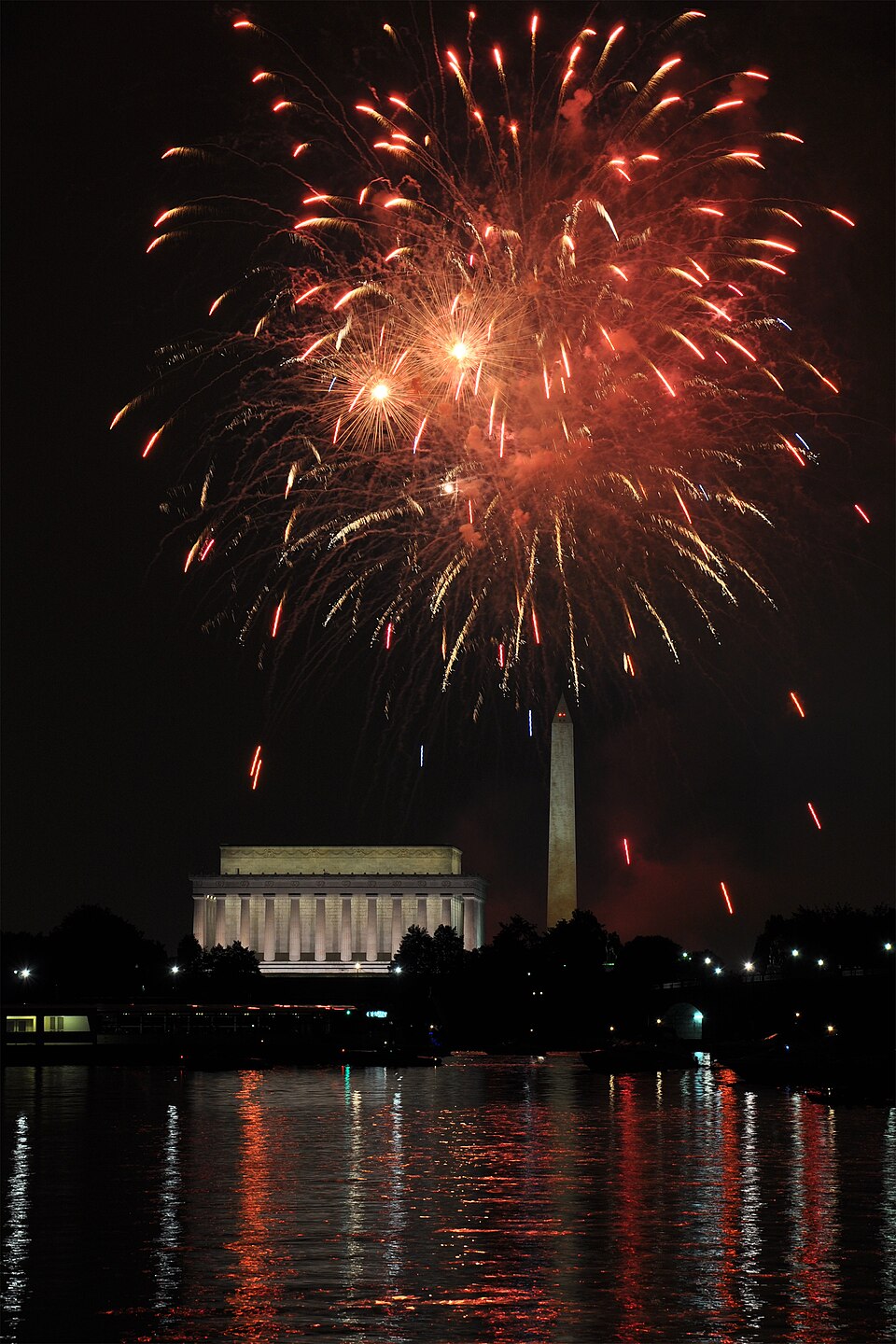
The Fourth of July is celebrated with parades, barbecues, picnics, and family gatherings all across the country. One of the most popular traditions is watching fireworks displays that light up the night sky in red, white, and blue. Many communities hold concerts, carnivals, and flag-raising ceremonies. People often decorate their homes and neighborhoods with American flags, banners, and patriotic colors. It is a day when Americans reflect on the freedoms they enjoy and the sacrifices that made those freedoms possible.
Fireworks and Their History
Fireworks have been part of Independence Day celebrations since the very first anniversary in 1777. John Adams wrote to his wife Abigail that he believed the day should be celebrated with “illuminations from one end of this continent to the other.” The first official fireworks display took place in Philadelphia on July 4, 1777, just one year after the Declaration was signed. Today, cities and towns across America put on spectacular fireworks shows, with some of the largest displays happening in New York City and Washington, D.C.
Independence Day Around the World
The United States is not the only country that celebrates an independence day. More than 150 countries around the world have their own independence day holidays marking when they became free from colonial rule or foreign control. Mexico celebrates its independence from Spain on September 16th, and India celebrates its independence from Britain on August 15th. Each country has its own unique traditions and customs for honoring its history of freedom.
Why Independence Day Matters Today
Independence Day is more than just a day off from school or work. It reminds Americans of the values the country was founded on, including freedom, equality, and the right to self-governance. The holiday encourages people to think about what it means to be part of a democracy and to appreciate the rights protected by the Constitution. Every Fourth of July is a chance to celebrate how far the nation has come and to think about how to make it an even better place for everyone.
 OtterKnow Kids Encyclopedia