The Civil Rights Movement
During the 1950s and 1960s, millions of Americans worked together to end racial segregation and discrimination in the United States. This effort became known as the civil rights movement. Black Americans and their allies organized protests, marches, and boycotts to demand equal treatment under the law. Dr. King emerged as one of the movement’s most powerful voices, inspiring people across the country with his speeches and leadership. The movement eventually led to major changes in American law, including the Civil Rights Act of 1964 and the Voting Rights Act of 1965.
Nonviolent Protest
One of the most important things about Dr. King’s leadership was his commitment to nonviolence. He was inspired by Mahatma Gandhi, who used peaceful protest to win independence for India. Dr. King taught his followers to resist injustice without using violence, even when others were violent toward them. He organized peaceful marches, sit-ins at segregated lunch counters, and boycotts of unfair businesses. This approach showed the world the dignity of the protesters and the injustice of segregation, winning support from people of all backgrounds.
Famous Speeches and Achievements
Dr. King is best known for his “I Have a Dream” speech, which he delivered on August 28, 1963, during the March on Washington. More than 250,000 people gathered at the Lincoln Memorial to hear him speak about his vision of a future where people would be judged by their character rather than their skin color. In 1964, Dr. King received the Nobel Peace Prize at age 35, making him one of the youngest people ever to receive this honor. He used the prize money to support the civil rights movement rather than keeping it for himself.
The Montgomery Bus Boycott
One of the first major events that brought Dr. King to national attention was the Montgomery Bus Boycott in 1955. After Rosa Parks was arrested for refusing to give up her bus seat to a white passenger, Dr. King helped organize a boycott of the city’s bus system. For 381 days, Black residents of Montgomery, Alabama, refused to ride the buses, walking or carpooling instead. The boycott was a huge financial blow to the bus company, and in 1956, the Supreme Court ruled that segregation on public buses was unconstitutional.
The Holiday Is Established
After Dr. King was assassinated on April 4, 1968, in Memphis, Tennessee, many people called for a national holiday in his honor. Congressman John Conyers introduced a bill to create the holiday just four days after Dr. King’s death, but it took many years of effort. Coretta Scott King, Dr. King’s wife, led the campaign to establish the holiday, gathering over six million signatures on a petition. President Ronald Reagan signed the holiday into law in 1983, and it was first officially observed on January 20, 1986.
How We Celebrate
Martin Luther King Jr. Day is observed on the third Monday of January each year, close to Dr. King’s birthday. It is often called a “day on, not a day off,” because many Americans spend the holiday volunteering and performing community service. Schools hold special programs to teach students about Dr. King’s life and the civil rights movement. Communities organize marches, speeches, and service projects to honor his legacy of working for justice and equality.
Dr. King’s Legacy Today
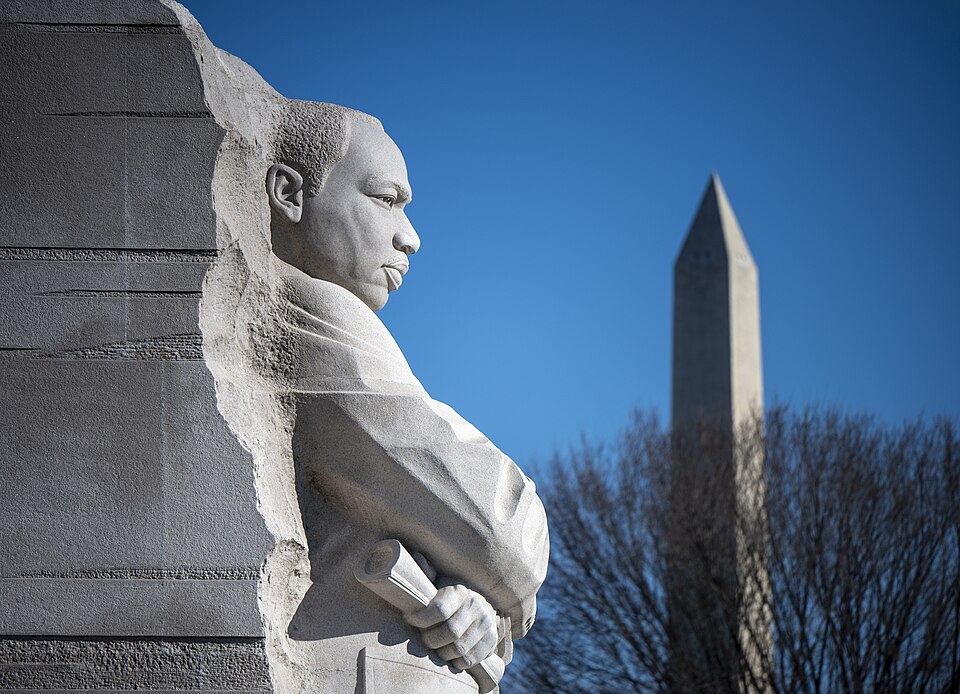
Dr. King’s work changed America forever by helping to end legal segregation and expanding voting rights for Black Americans. His ideas about nonviolent protest have inspired movements for justice and equality around the world, from South Africa to the Philippines. The Martin Luther King Jr. Memorial, which opened on the National Mall in Washington, D.C., in 2011, stands as a permanent tribute to his courage and vision. His message that people should be treated fairly and with respect continues to guide Americans working to build a more just society.
 OtterKnow Kids Encyclopedia