The History of New Year’s Celebrations
People have been celebrating the new year for thousands of years, but the date has not always been January 1st. The ancient Babylonians held their new year celebration in March, around the time of the spring equinox, over 4,000 years ago. In 46 BCE, the Roman leader Julius Caesar introduced the Julian calendar and established January 1st as the start of the new year. January was named after Janus, the Roman god of beginnings and doorways, who was pictured with two faces looking forward and backward. The Gregorian calendar, introduced by Pope Gregory XIII in 1582, kept January 1st as New Year’s Day and is the calendar most of the world uses today.
New Year’s Eve Traditions
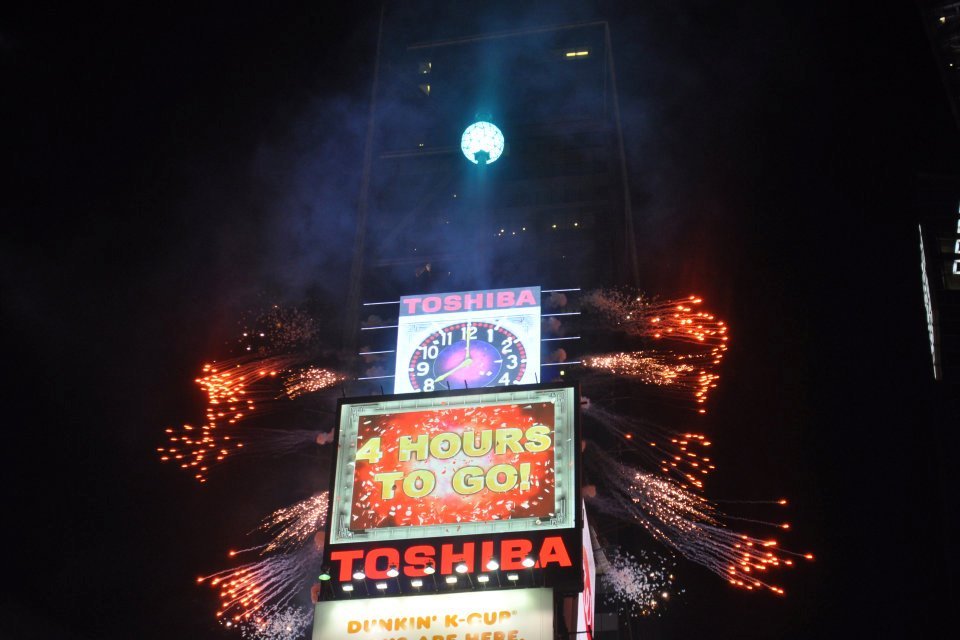
The celebration actually begins on the night before, December 31st, which is called New Year’s Eve. In many cities around the world, people gather for large public celebrations with music, dancing, and fireworks at midnight. One of the most famous celebrations takes place in Times Square in New York City, where a glittering crystal ball drops from a tall flagpole as the clock strikes midnight. This tradition began in 1907 and attracts about one million people to Times Square each year. Sydney, Australia, is known for its spectacular fireworks display over the Sydney Harbour Bridge, which is one of the first major celebrations each year because of its time zone.
How Different Countries Celebrate
New Year’s traditions vary widely around the world. In Spain, people eat twelve grapes at midnight, one for each stroke of the clock, which is believed to bring good luck for each month of the coming year. In Scotland, the celebration is called Hogmanay, and a tradition called “first footing” says that the first person to enter your home after midnight will determine your luck for the year. In Japan, Buddhist temples ring their bells 108 times at midnight in a ceremony called Joya no Kane. Brazilians often wear white clothing on New Year’s Eve as a symbol of peace and good luck for the year ahead.
New Year’s Resolutions
A popular New Year’s tradition is making resolutions, which are promises people make to improve themselves in the coming year. This tradition dates back to the ancient Babylonians, who made promises to their gods at the start of each year. Common resolutions include exercising more, reading more books, learning a new skill, or being kinder to others. Studies show that only about 10 to 20 percent of people actually keep their resolutions for the entire year. Many experts suggest that setting small, specific goals instead of big, vague ones makes it easier to succeed.
New Year’s Foods and Symbols
Many cultures have special foods that are believed to bring good luck when eaten on New Year’s Day. In the southern United States, people eat black-eyed peas and collard greens, which are thought to represent coins and dollar bills. In many Asian countries, long noodles are eaten to symbolize a long life, and they are not supposed to be broken or cut. The Dutch eat oliebollen, which are round doughnut-like pastries that represent coming full circle into the new year. Common New Year’s symbols include fireworks, confetti, noisemakers, and images of Baby New Year replacing the old year shown as an elderly figure.
The Lunar New Year
Not everyone celebrates the new year on January 1st. The Lunar New Year, also called Chinese New Year or Spring Festival, follows the lunar calendar and usually falls between January 21st and February 20th. It is one of the most important holidays in China, Vietnam, South Korea, and other Asian countries. Celebrations last for about 15 days and include dragon dances, lantern festivals, red envelopes filled with money, and large family reunions. Each year in the Chinese zodiac is represented by one of twelve animals, and 2026 is the Year of the Horse.
New Year’s Day Around the Calendar
Several other cultures celebrate their new year at different times based on their own calendars. The Ethiopian New Year, called Enkutatash, takes place on September 11th (or September 12th in a leap year) and is marked with singing, dancing, and bonfires. Nowruz, the Persian New Year, is celebrated on the spring equinox around March 20th and is observed by more than 300 million people worldwide. The Jewish New Year, Rosh Hashanah, falls in September or October and is a time for prayer and eating apples dipped in honey. The Indian festival of Diwali, celebrated in October or November, also marks the new year in some Hindu traditions.
Why New Year’s Matters
New Year’s Day gives people a chance to pause and think about what they have accomplished and what they hope to achieve. It brings communities together through shared celebrations, parades, and traditions that have been passed down for generations. The holiday reminds us that time keeps moving forward and that every year brings new opportunities. Fireworks, special foods, and quiet reflection all mark this moment of hope and fresh beginnings. New Year’s Day connects people across cultures who all share the excitement of starting something new.
 OtterKnow Kids Encyclopedia