The History of Thanksgiving
The story of Thanksgiving in America often begins with the Pilgrims, a group of English settlers who arrived at Plymouth, Massachusetts, in 1620 on a ship called the Mayflower. Their first winter was extremely difficult, and nearly half of the settlers did not survive. The Wampanoag people, who had lived in the area for thousands of years, helped the Pilgrims learn how to grow crops like corn and squash. In the fall of 1621, the Pilgrims and Wampanoag shared a harvest feast that lasted three days, which is often called the “First Thanksgiving.” However, it is important to remember that this event looked very different from how Thanksgiving is celebrated today.
The Wampanoag Perspective
While many people learn about Thanksgiving from the Pilgrim point of view, the Wampanoag people have their own perspective on this history. The Wampanoag had been living in the region they called home for over 12,000 years before European settlers arrived. Their leader, Massasoit, made a diplomatic agreement with the Pilgrims, and about 90 Wampanoag attended the 1621 harvest gathering. In the years that followed, European colonization brought disease, conflict, and loss of land to Native communities. Today, some Native Americans observe a National Day of Mourning on Thanksgiving to remember this history and honor their ancestors.
How Thanksgiving Became a National Holiday
Thanksgiving was not always a national holiday in the United States. For many years, individual states celebrated days of thanks at different times. Sarah Josepha Hale, a writer and editor, spent 17 years writing letters to presidents asking them to make Thanksgiving a national holiday. In 1863, during the Civil War, President Abraham Lincoln declared Thanksgiving a national holiday to help unite the country. In 1941, Congress officially set the date as the fourth Thursday in November. Since then, every U.S. president has issued a Thanksgiving proclamation each year.
Traditional Thanksgiving Foods
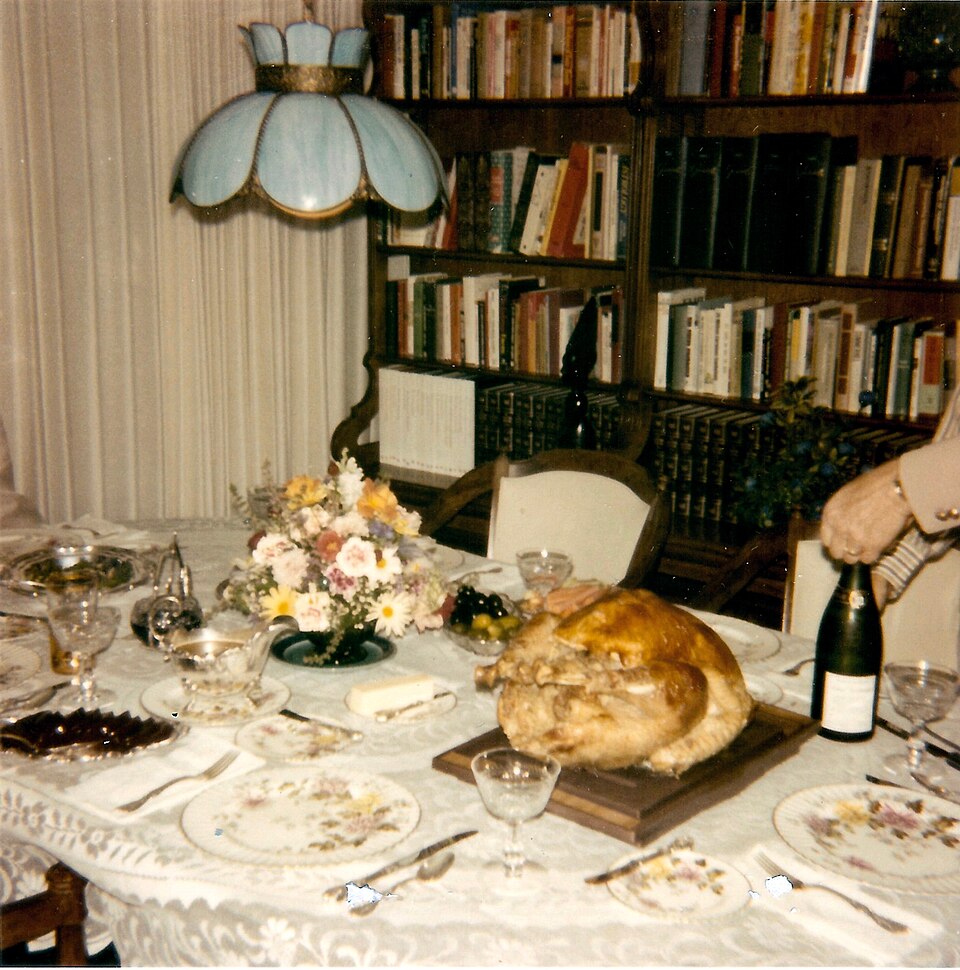
The Thanksgiving meal is one of the most important parts of the holiday, and many families have their own special recipes and traditions. Turkey is the most popular main dish, and Americans eat about 46 million turkeys on Thanksgiving Day each year. Other classic side dishes include mashed potatoes, cranberry sauce, stuffing, green bean casserole, and sweet potatoes. Pumpkin pie is the most traditional dessert, though pecan pie and apple pie are also favorites. Many families add dishes from their own cultural backgrounds, making every Thanksgiving table a little bit different.
Thanksgiving in Canada
Canada celebrates its own Thanksgiving holiday, which takes place on the second Monday of October. Canadian Thanksgiving has roots in harvest festivals and early European explorers giving thanks for safe voyages. One of the earliest recorded Thanksgiving celebrations in North America was held by English explorer Martin Frobisher in 1578, over 40 years before the Pilgrims arrived at Plymouth. Canadian Thanksgiving foods are similar to American ones, with turkey, stuffing, and pumpkin pie on many tables. The earlier date reflects Canada’s earlier harvest season due to its more northern location.
Thanksgiving Traditions
Beyond the big meal, many American families have Thanksgiving traditions they look forward to each year. The Macy’s Thanksgiving Day Parade in New York City has been held since 1924 and features giant character balloons, marching bands, and floats. Watching or playing football on Thanksgiving is another popular tradition, with the NFL hosting games on the holiday since 1920. Many people also volunteer at food banks or shelters to help serve meals to those in need. Some families go around the table sharing what they are thankful for, turning the meal into a meaningful moment of reflection.
Giving Back on Thanksgiving
Thanksgiving is not just about receiving — it is also about giving to others. Food drives are organized across the country in the weeks before Thanksgiving to collect donations for families who may not be able to afford a holiday meal. Many communities host free Thanksgiving dinners at churches, shelters, and community centers. Organizations like Feeding America help distribute millions of meals during the Thanksgiving season. Students and families often volunteer their time to help prepare and serve food, showing that the true spirit of Thanksgiving is about sharing what you have with others.
 OtterKnow Kids Encyclopedia