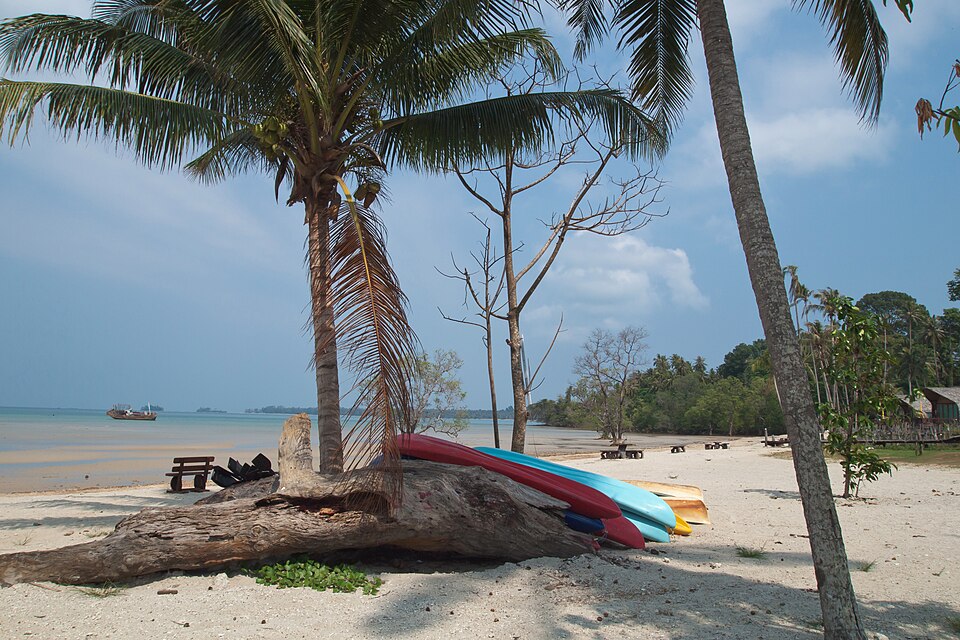
The Tropical Zone
The tropical zone is the warmest climate zone on Earth, stretching from the Tropic of Cancer at about 23.5 degrees north to the Tropic of Capricorn at about 23.5 degrees south. This zone stays warm all year because it receives the most direct sunlight from the sun. Tropical areas get a lot of rain, and some places like the Amazon rainforest receive over 80 inches of rainfall each year. The tropical zone is home to more than half of the world’s plant and animal species. Countries in the tropical zone include Brazil, Indonesia, and the Democratic Republic of the Congo.
The Temperate Zone
The temperate zones lie between the tropics and the polar regions, roughly between 23.5 and 66.5 degrees latitude in both hemispheres. These areas experience four distinct seasons: spring, summer, autumn, and winter. Summers in the temperate zone are warm but not as hot as the tropics, and winters can be cold with snow in many places. Most of the world’s population lives in temperate zones, including much of the United States, Europe, and China. The temperate zone supports a wide variety of ecosystems, from deciduous forests that lose their leaves in fall to grasslands and Mediterranean shrublands.
The Polar Zone
The polar zones are found near the North Pole and the South Pole, above about 66.5 degrees latitude. These are the coldest areas on Earth, with long, dark winters and short, cool summers. Antarctica, which is in the southern polar zone, holds the record for the coldest temperature ever recorded on Earth at minus 128.6 degrees Fahrenheit (minus 89.2 degrees Celsius) in 1983. Very few people live in polar zones, but animals like polar bears, penguins, and Arctic foxes have adapted to survive the extreme cold. The ground in many polar regions stays frozen year-round in a layer called permafrost.
The Koppen Climate System
Scientists use a detailed classification system called the Koppen climate system to describe climate zones more precisely. It was created by Russian-German scientist Wladimir Koppen in 1884 and has been updated several times since then. The system divides climates into five main groups: tropical, dry, temperate, continental, and polar. Each group is further divided using letters that describe rainfall patterns and temperature ranges. For example, a “Cfa” climate means a humid subtropical climate with hot summers, which describes places like the southeastern United States.
How Latitude Affects Climate
Latitude is one of the biggest factors that determines a region’s climate zone. The equator, at zero degrees latitude, receives the most direct sunlight, making areas near it the warmest on Earth. As you move north or south toward the poles, sunlight hits Earth’s surface at a lower angle and spreads over a larger area, making it less intense. This is why polar regions are so much colder than tropical regions, even though they receive 24 hours of sunlight during their summer months. The tilt of Earth’s axis at 23.5 degrees is what creates the seasons and defines the boundaries of the climate zones.
Other Factors That Shape Climate
While latitude plays the biggest role in determining climate zones, other factors also have a major impact. Ocean currents carry warm or cold water across vast distances and can make nearby land warmer or cooler than expected. Altitude matters too, because temperatures drop about 3.5 degrees Fahrenheit for every 1,000 feet of elevation gain. Mountain ranges can block moist air and create rain shadows, where one side of the mountain gets heavy rain while the other side stays dry. Cities near large bodies of water tend to have milder climates than cities far inland at the same latitude.
Climate Zones and Living Things
Climate zones have a huge effect on which plants and animals can survive in a region. Tropical zones support dense rainforests with towering trees, colorful birds, and thousands of insect species. Temperate zones are home to forests with oak, maple, and birch trees, along with deer, foxes, and songbirds. Polar zones have fewer species, but the ones that live there are specially adapted with thick fur, layers of fat, or the ability to hibernate. Humans have also adapted to their climate zones over thousands of years, building different types of homes, growing different crops, and developing different ways of life.
Climate Change and Shifting Zones
Earth’s climate zones are not permanent and have shifted many times throughout the planet’s history. Today, climate change caused by human activities is causing temperatures to rise around the world. As global temperatures increase, climate zones are gradually shifting toward the poles. Some areas that were once temperate are becoming warmer and drier, while polar ice is melting at record rates. Scientists study these changes to predict how ecosystems, agriculture, and communities will be affected in the coming decades.
 OtterKnow Kids Encyclopedia