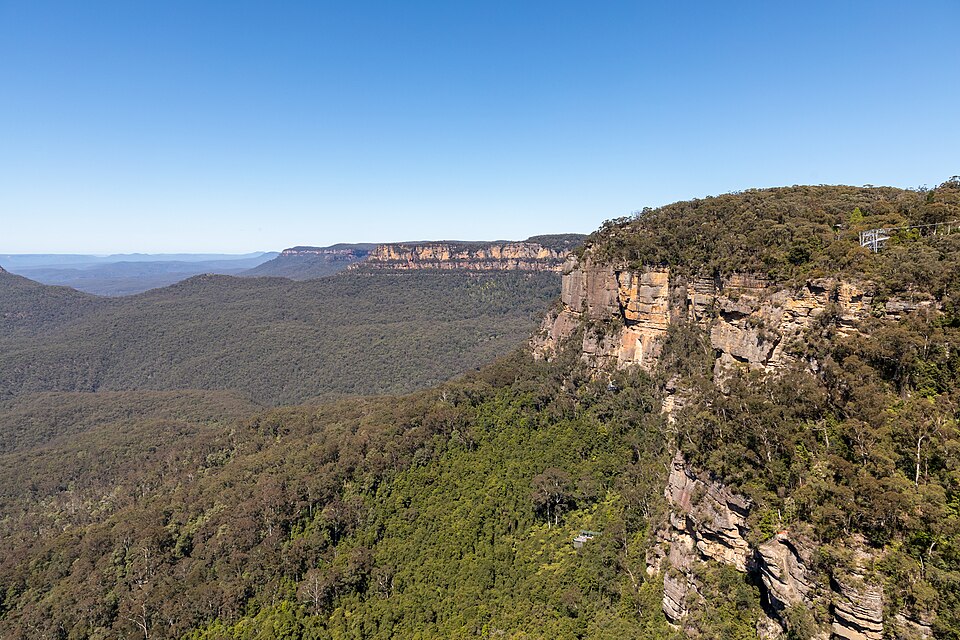
Most mountains form because of movements deep inside the Earth. The Earth’s outer layer, called the crust, is made up of huge pieces called tectonic plates that slowly move and push against each other. When two plates collide, the land between them can be pushed upward, creating fold mountains like the Himalayas. Some mountains, called volcanic mountains, form when melted rock called magma rises through the crust and piles up on the surface. The process of mountain building takes millions of years, which is why the tallest mountains on Earth are extremely old.
Famous Mountains Around the World
Mount Everest in the Himalayas is the tallest mountain on Earth, standing at 8,849 meters (29,032 feet) above sea level. The Andes in South America are the longest mountain range in the world, stretching over 7,000 kilometers through seven countries. Mount Kilimanjaro in Tanzania is the highest mountain in Africa and is famous because it has snow on its peak even though it is near the equator. The Rocky Mountains in North America run from Canada all the way down to New Mexico and are home to many national parks. Each of these mountain ranges has unique wildlife, weather patterns, and cultures.
Hills and How They Differ from Mountains
Hills are elevated areas of land that are lower and usually less steep than mountains. There is no exact height where a hill becomes a mountain, but most geographers consider landforms under about 300 meters (1,000 feet) to be hills. Hills often have gentler slopes and rounder tops, making them easier to climb and build on than mountains. Some hills were formed by glaciers that pushed soil and rock into mounds thousands of years ago. Cities like Rome, Italy, were famously built on hills, and the city of Rome is known as the “City of Seven Hills.”
Valleys are low-lying areas between higher ground, and they come in different shapes depending on how they were formed. River valleys are shaped like the letter V because flowing water slowly cuts into the rock and soil over time. Glacial valleys have a U-shape because massive glaciers carved wide paths through the land during ice ages. Rift valleys form when tectonic plates pull apart and the land between them drops down, like the Great Rift Valley in East Africa. Many of the world’s largest cities and farms are located in valleys because the flat land and nearby water make them great places to live.
Life in Mountains, Hills, and Valleys
People have adapted to living in all three types of landforms in interesting ways. Mountain communities often raise animals like goats and yaks that can handle steep, rocky terrain and thin air at high altitudes. Hill regions are popular for farming crops like tea, coffee, and grapes because the slopes provide good drainage for water. Valleys are home to most of the world’s population because they have fertile soil, fresh water from rivers, and flat land for building cities. The type of landform where people live affects their food, transportation, sports, and daily routines.
How Mountains, Hills, and Valleys Affect Weather
Landforms have a big impact on the weather and climate of an area. Mountains can block rain clouds, causing one side to be wet and green while the other side, called a rain shadow, is dry and sometimes even desert-like. Temperatures drop as you go higher in elevation, which is why mountaintops are often covered in snow even in summer. Valleys can trap cold air, creating fog and frost in the mornings. Understanding how landforms affect weather helps farmers decide what to grow and helps communities prepare for natural events like floods and landslides.
Exploring Mountains, Hills, and Valleys
Mountains, hills, and valleys offer amazing opportunities for outdoor adventure and scientific study. Hiking, rock climbing, and skiing are popular activities in mountain regions, attracting millions of visitors each year. Scientists study these landforms to learn about Earth’s history, including how tectonic plates have moved and how climates have changed over time. National parks like Yosemite in the United States and Banff in Canada protect mountain and valley landscapes so future generations can enjoy them. Whether you visit them in person or study them on a map, these landforms show how the forces of nature have shaped the Earth over millions of years.
 OtterKnow Kids Encyclopedia