Asia
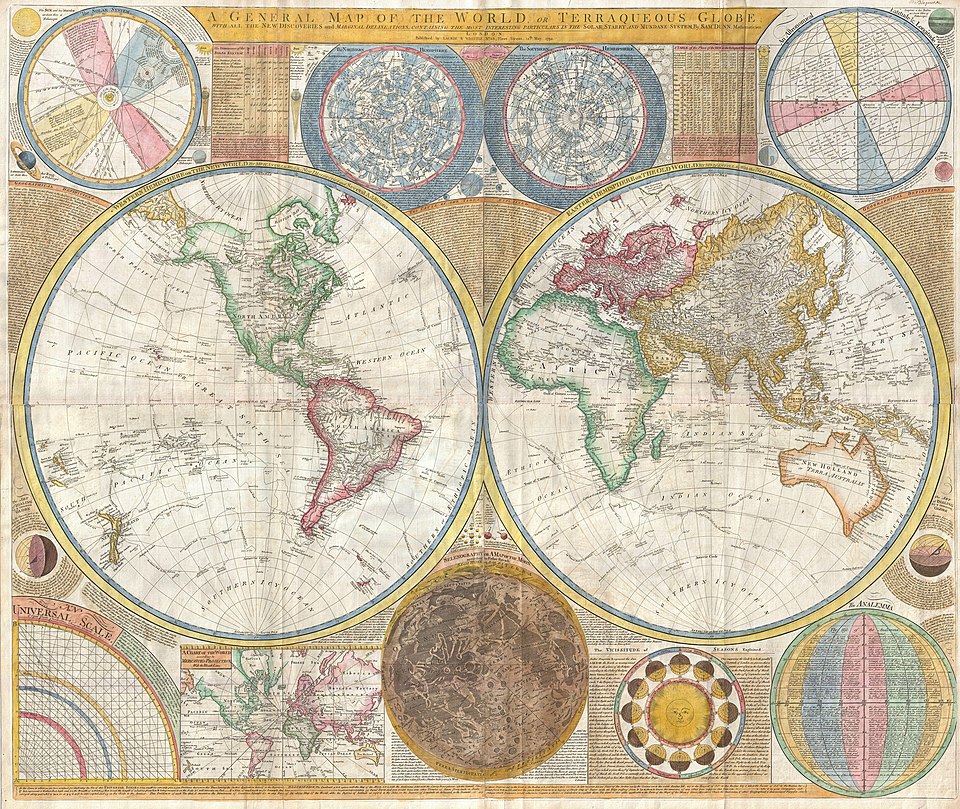
Asia is the largest continent in both size and population. It covers about 44.6 million square kilometers and is home to more than 4.7 billion people, which is over half of everyone on Earth. Asia stretches from the Middle East in the west all the way to Japan in the east, and it includes the world’s tallest mountain, Mount Everest. Countries like China, India, Japan, and Saudi Arabia are all part of Asia. The continent has very different landscapes, from the frozen tundra of Siberia to the tropical rainforests of Southeast Asia.
Africa
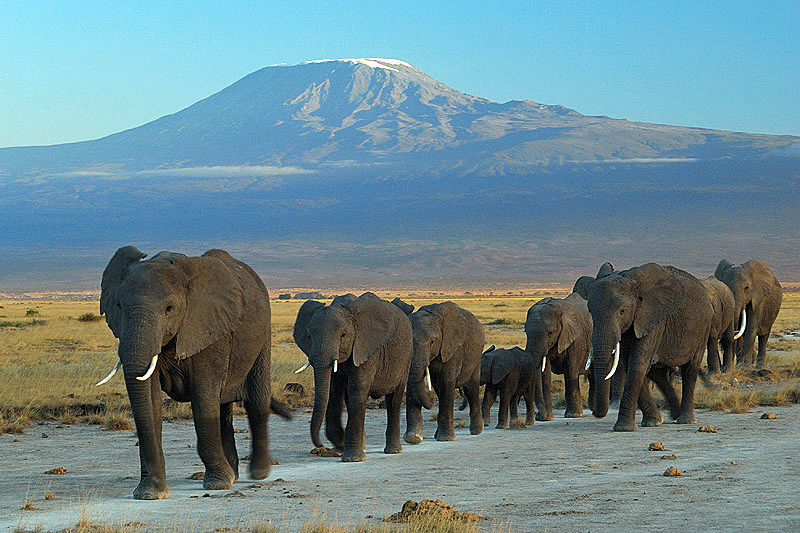
Africa is the second-largest continent and has the second-highest population in the world. It is home to 54 countries, which is more than any other continent. The Sahara Desert in northern Africa is the largest hot desert on Earth, stretching across an area nearly as big as the entire United States. Africa also has the Nile River, which at about 6,650 kilometers is one of the longest rivers in the world. The continent is famous for its wildlife, including elephants, lions, giraffes, and gorillas.
North America
North America is the third-largest continent and includes 23 countries. The three biggest countries are Canada, the United States, and Mexico. North America has many different types of environments, from the frozen Arctic in the far north to tropical beaches in the Caribbean. The continent is home to the Great Lakes, which together form the largest group of freshwater lakes on Earth. The Rocky Mountains stretch more than 4,800 kilometers from Canada all the way down to New Mexico.
South America
South America is the fourth-largest continent and is connected to North America by a narrow strip of land called the Isthmus of Panama. The Amazon River in South America is the largest river in the world by the volume of water it carries. The Amazon Rainforest covers a huge part of the continent and is home to about 10 percent of all species on Earth. South America has 12 countries, with Brazil being the largest. The Andes Mountains run along the entire western edge of the continent, making them the longest mountain range in the world at about 7,000 kilometers.
Europe
Europe is the second-smallest continent, but it has played a huge role in world history. It is home to about 50 countries, including France, Germany, Italy, and the United Kingdom. Europe is connected to Asia by land, and together they are sometimes called Eurasia. Many important inventions and ideas in science, art, and government came from Europe. The continent has famous landmarks like the Eiffel Tower in Paris, the Colosseum in Rome, and Big Ben in London.
Australia and Oceania
Australia is both a continent and a country, making it the only continent that is also a single nation. It is the smallest continent, covering about 7.7 million square kilometers. Australia is surrounded by the Indian Ocean and the Pacific Ocean, and it is home to unique animals found nowhere else, like kangaroos, koalas, and platypuses. The Great Barrier Reef off Australia’s northeast coast is the world’s largest coral reef system. The wider region of Oceania also includes thousands of Pacific islands, such as New Zealand, Fiji, and Papua New Guinea.
Antarctica
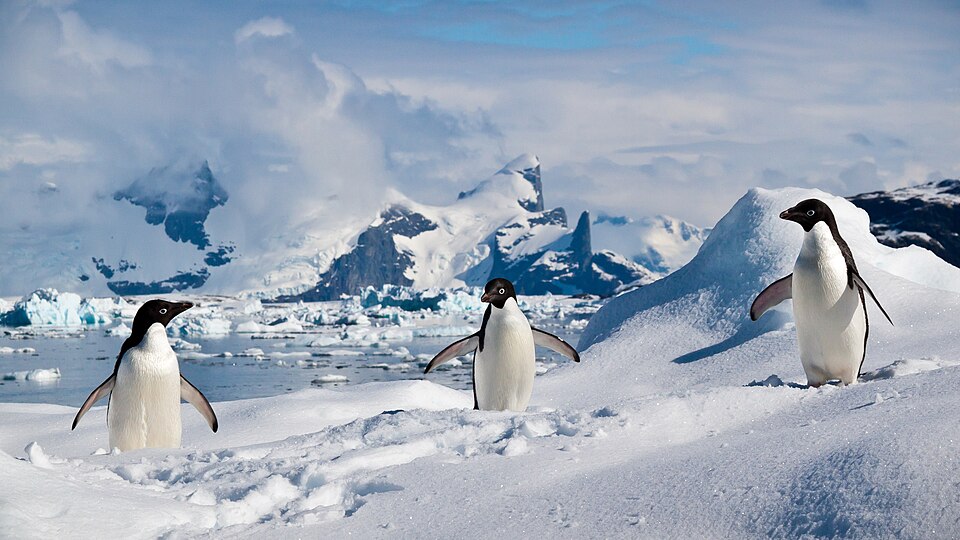
Antarctica is the coldest, driest, and windiest continent on Earth. It is located at the South Pole and is almost entirely covered by a thick ice sheet that holds about 70 percent of the world’s fresh water. No country owns Antarctica, but scientists from many nations work at research stations there. The average temperature in Antarctica’s interior is about minus 57 degrees Celsius, making it too cold for permanent human residents. Despite the harsh conditions, some animals like penguins, seals, and certain seabirds thrive along Antarctica’s coasts.
Why the Continents Matter
Understanding the seven continents helps us learn about the diversity of life and culture on our planet. Each continent has its own history, languages, animals, and natural wonders that make it special. The continents were not always in the positions they are today — millions of years ago, they were joined together in a supercontinent called Pangaea, which slowly broke apart and drifted to where the continents are now. Studying the continents also helps us understand global issues like climate change, trade, and how people around the world are connected. Whether you dream of visiting the pyramids of Africa or the glaciers of Antarctica, knowing about the continents is the first step to exploring our amazing world.
 OtterKnow Kids Encyclopedia