A Brief History of Cities
Some of the oldest cities in the world, like Jericho and Damascus, have been home to people for thousands of years. Cities first grew along rivers and coastlines because water was essential for drinking, farming, and transporting goods. During the Industrial Revolution in the 1800s, cities in Europe and America grew enormously as people moved from farms to work in factories. Skyscrapers were invented in the late 1800s, allowing cities to grow upward instead of just outward. Today, some of the largest cities in the world, like Tokyo, Delhi, and Shanghai, are home to tens of millions of people each.
Buildings and Infrastructure
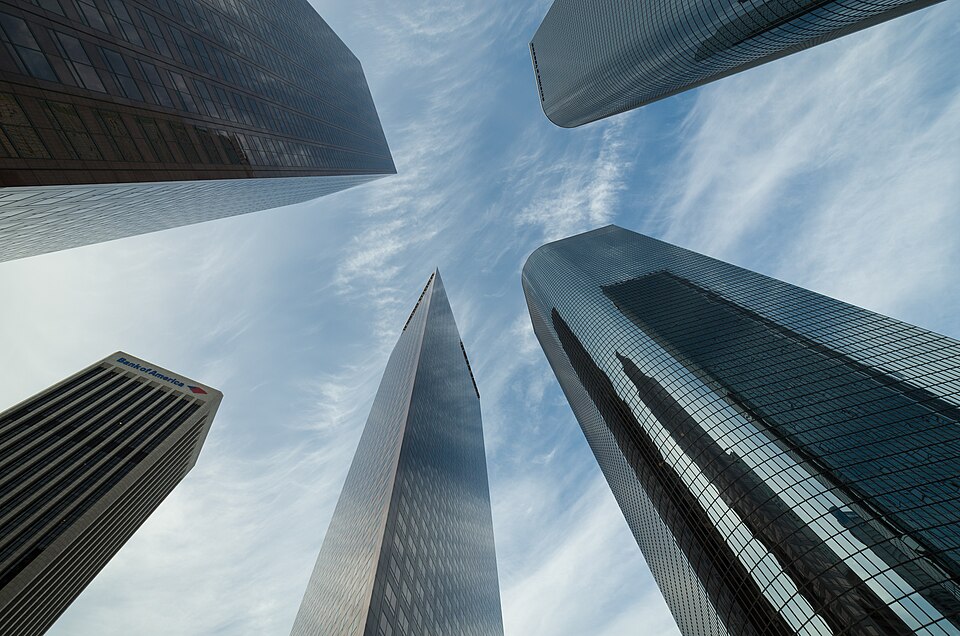
Cities are known for their tall buildings, including skyscrapers that can reach over 100 stories high. The tallest building in the world, the Burj Khalifa in Dubai, stands at 2,717 feet and has 163 floors. Urban areas also have important infrastructure like water treatment plants, power grids, and sewer systems that serve millions of people. Roads, bridges, and tunnels connect different parts of the city and allow people and goods to move around. Underground systems like subway tunnels and utility pipes are hidden beneath city streets, forming a busy world most people never see.
Transportation in the City
One of the biggest advantages of city living is having many ways to get around. Public transportation systems like buses, subways, and light rail trains move thousands of people every day. Many city residents walk or ride bicycles to work, school, and stores because everything is close together. Taxis and rideshare services are available on almost every city block. Some cities, like New York and San Francisco, are famous for their public transit systems that help reduce the number of cars on the road and cut down on air pollution.
Diversity and Culture
Cities bring together people from many different backgrounds, cultures, and countries. This diversity means you can find restaurants serving food from around the world, hear many different languages spoken, and experience different cultural traditions all in one place. Urban areas are home to world-famous museums, theaters, concert halls, and sports arenas. Neighborhoods within a city often have their own unique character, like Chinatown, Little Italy, or historic districts. Festivals, parades, and cultural celebrations happen throughout the year, making cities lively places to live.
Jobs and Economy
Cities are major centers for business and employment, offering a huge variety of jobs. People in cities work in offices, hospitals, schools, restaurants, stores, technology companies, and many other places. The concentration of businesses in a small area creates opportunities that might not exist in smaller communities. Many of the world’s largest companies have their headquarters in major cities. Cities also support a “gig economy” where people work freelance or part-time jobs, and street vendors, artists, and small business owners add to the local economy.
Challenges of City Life
Living in a city comes with some unique challenges that communities must work together to solve. Traffic congestion can make travel slow and frustrating, and air pollution from vehicles and factories affects people’s health. Housing in cities is often expensive, and some families struggle to find affordable places to live. Noise from traffic, construction, and crowds is a constant part of city life. Cities must also deal with issues like waste management, keeping streets clean, and making sure all neighborhoods have safe parks and green spaces for residents to enjoy.
How Cities Are Changing
Cities around the world are finding creative ways to become better places to live. Many cities are adding more green spaces, rooftop gardens, and urban farms to bring nature into the concrete landscape. New technologies like electric buses, bike-sharing programs, and smart traffic lights are making cities cleaner and easier to navigate. Some cities are building “mixed-use” developments where people can live, work, and shop all in the same building or neighborhood. As the world’s population continues to grow, cities will keep evolving to meet the needs of the people who call them home.
 OtterKnow Kids Encyclopedia