Why Volunteering Matters
Communities depend on volunteers to provide services that might not happen otherwise. Food banks, animal shelters, and after-school programs all rely on volunteers to keep running. When people volunteer, they help fill gaps where governments or businesses cannot reach. Volunteering also brings people from different backgrounds together, which strengthens the bonds in a community. Studies show that communities with more volunteers tend to be safer and happier places to live.
Types of Volunteer Work
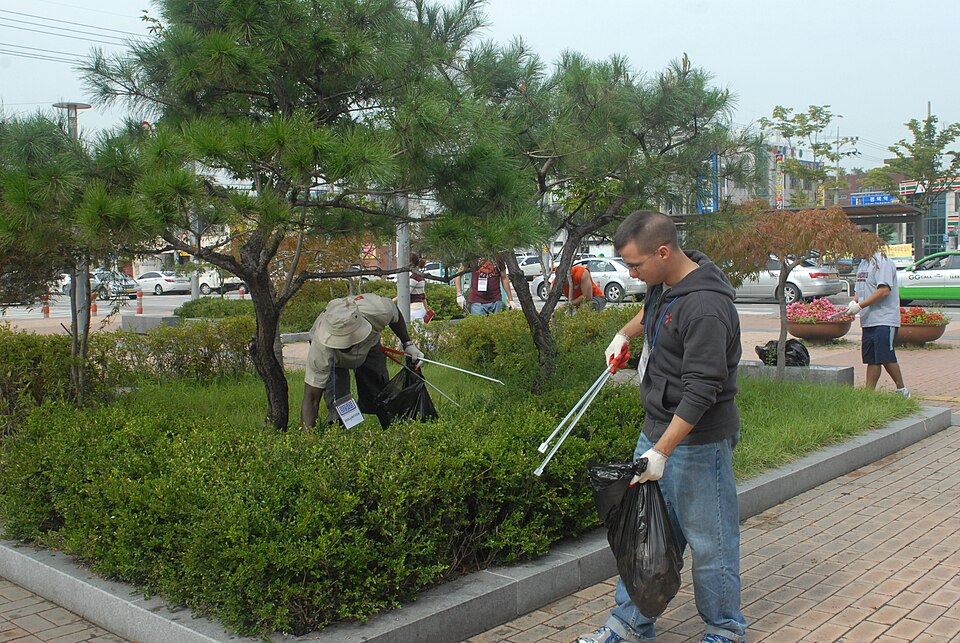
There are many different ways to volunteer depending on your interests and skills. Some people volunteer at food banks or soup kitchens, helping to prepare and serve meals to people who are hungry. Others help clean up parks, plant trees, or pick up litter to keep their neighborhoods beautiful. Animal lovers might volunteer at shelters, walking dogs or helping to care for cats. Some volunteers tutor younger students, read to people in hospitals, or visit elderly neighbors who feel lonely.
Kids Can Make a Difference
You do not have to be an adult to be a volunteer. Kids across the country organize food drives, collect coats for people in need, and raise money for important causes. Some young people have started their own organizations to tackle problems they care about. For example, kids have led campaigns to reduce plastic waste in their schools and neighborhoods. Even small acts of service, like helping a neighbor carry groceries, count as volunteering.
Service Learning in Schools
Many schools have service learning programs that combine classroom lessons with community service. In these programs, students might study water pollution and then volunteer to clean up a local stream. Service learning helps students see how what they learn in school connects to real-world problems. It also teaches teamwork, problem-solving, and leadership skills. Students who participate in service learning often feel more connected to their communities.
Famous Volunteers and Service Leaders
Throughout history, many people have inspired others by dedicating their lives to service. Martin Luther King Jr. spent his life working to make society more fair and equal for everyone. Clara Barton founded the American Red Cross in 1881 to help people affected by disasters. President John F. Kennedy started the Peace Corps in 1961, sending volunteers to help communities around the world. These leaders showed that one person’s dedication to service can create lasting change.
Benefits of Volunteering
Volunteering does not just help the people you serve — it also helps you. Research shows that volunteers often feel happier and less stressed than people who do not volunteer. Volunteering helps you learn new skills, meet new people, and discover interests you never knew you had. It can also help you do better in school because service learning builds critical thinking skills. Many colleges and employers value volunteer experience because it shows leadership and compassion.
How to Get Started
If you want to start volunteering, begin by thinking about what you care about most. Talk to your parents, teachers, or community leaders about opportunities in your area. Libraries, places of worship, and community centers often have bulletin boards listing volunteer needs. You can also look for national programs like the Points of Light Foundation that connect volunteers with organizations. Remember, even spending just one hour a week helping others can make a big difference in your community.
 OtterKnow Kids Encyclopedia