Solar Energy
Solar energy captures the power of sunlight and turns it into electricity or heat. The sun is the most abundant energy source on Earth, sending about 173,000 terawatts of energy to our planet continuously, which is more than 10,000 times the total energy that humans use. Solar panels, also called photovoltaic cells, are made from special materials like silicon that create an electrical current when sunlight hits them. You might see solar panels on rooftops, in large solar farms spread across open land, or even on calculators and highway signs. Solar energy has grown very fast in recent years, with worldwide solar capacity reaching over 1,800 gigawatts by 2024. The best part about solar power is that it produces no air pollution or greenhouse gases while it operates.
Wind Energy
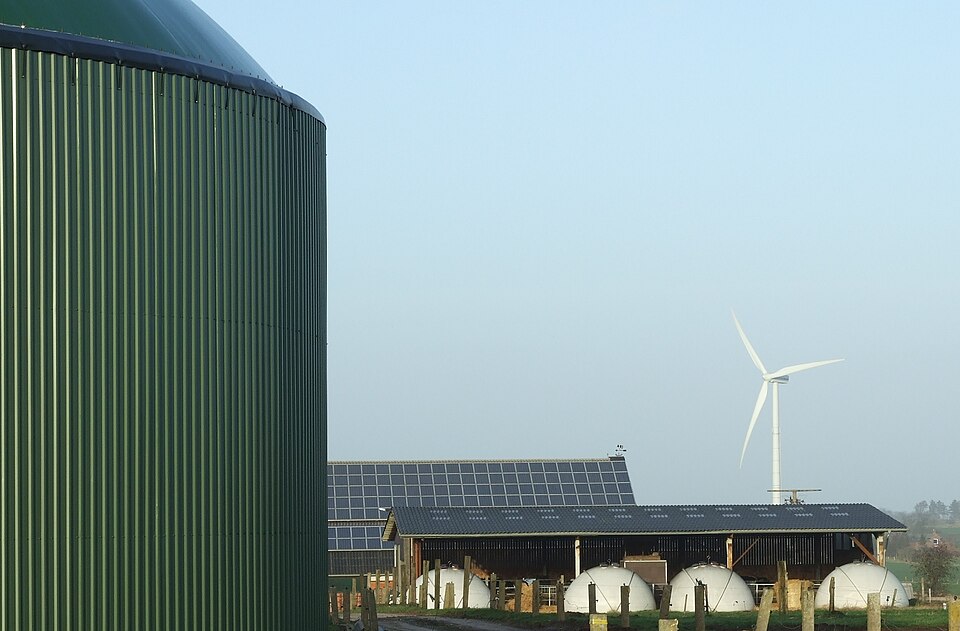
Wind turbines are tall towers with large blades that spin when the wind blows, converting the movement into electricity. Modern wind turbines can stand over 260 feet tall, and some offshore turbines are even taller than the Statue of Liberty. Wind farms, which are groups of many turbines built together, can be found on hilltops, open plains, and even out in the ocean where winds blow stronger and more steadily. By 2024, the world had installed over 110 gigawatts of new wind capacity in a single year. Denmark gets nearly half of its electricity from wind power, and countries like the United States, China, and Germany are also major wind energy producers. Wind energy is one of the cheapest forms of new electricity generation available today.
Hydroelectric Power
Hydroelectric power uses the energy of flowing or falling water to generate electricity. Dams are built across rivers to create large reservoirs of water, and when the water is released through the dam, it spins turbines connected to generators that produce electrical power. Hydropower is one of the oldest renewable energy sources, used for grinding grain in water mills for thousands of years. Today, the Three Gorges Dam in China is the world’s largest hydroelectric facility, capable of generating 22,500 megawatts of power. One of the biggest advantages of hydroelectric power is its efficiency, as water can generate electricity with a conversion rate of about 90 percent, the highest of any renewable energy source. Hydropower currently provides about 15 percent of the world’s electricity.
Geothermal and Other Renewable Sources
Geothermal energy taps into the heat stored deep inside the Earth. In some places, underground water is heated by hot rocks and rises to the surface as steam, which can be used to spin turbines and generate electricity. Iceland gets about 25 percent of its electricity from geothermal power plants because it sits on top of many volcanic hot spots. Biomass energy comes from burning organic materials like wood, crop waste, or specially grown plants to produce heat or electricity. Tidal and wave energy technologies capture the power of ocean movements, though these are still being developed and are not yet widely used. Each of these sources adds to the growing toolkit of clean energy options.
The Growth of Renewable Energy
Renewable energy has been growing fast around the world. In 2024, global renewable energy capacity reached about 4,448 gigawatts, growing by over 15 percent in just one year. Solar and wind energy together accounted for nearly 97 percent of all new renewable energy added that year. Renewables now make up about 46 percent of the world’s total power-generating capacity. China has been the biggest investor in renewable energy, adding more new solar and wind power than any other country. Many nations have set ambitious goals to switch entirely to renewable energy within the next few decades, driven by the need to reduce carbon emissions and protect the environment.
Why Renewable Energy Matters
Burning fossil fuels releases carbon dioxide and other greenhouse gases into the atmosphere, which trap heat and cause the planet’s temperature to rise. This climate change leads to more extreme weather events, rising sea levels, and harm to ecosystems around the world. Renewable energy sources produce little or no greenhouse gases during operation, making them a key part of the solution. Beyond fighting climate change, renewable energy also creates millions of jobs in manufacturing, installation, and maintenance. It can bring electricity to remote communities that are not connected to traditional power grids. As technology improves and costs continue to fall, renewable energy is becoming the most affordable and practical way to power our future.
 OtterKnow Kids Encyclopedia