The History of Robots
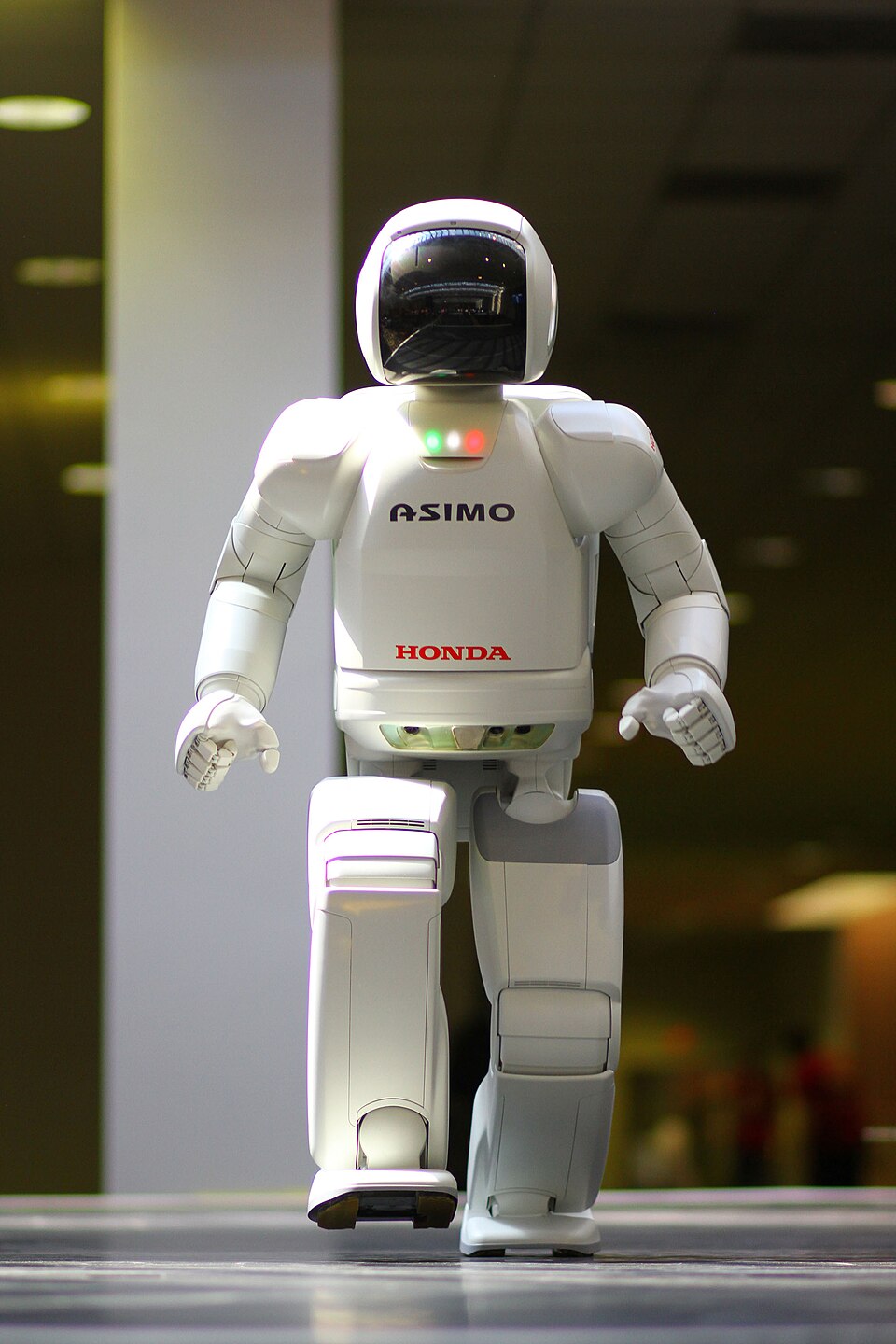
The word “robot” first appeared in a 1920 play called R.U.R., written by the Czech author Karel Capek. His brother Josef actually invented the word, basing it on the Czech word “robota,” which means forced labor. The first real industrial robot, called Unimate, began working on a General Motors assembly line in 1961. Unimate was a large mechanical arm that picked up hot metal parts and stacked them, a dangerous job that had previously been done by human workers. From that point on, robots spread quickly through factories around the world. By the 2000s, companies like Honda had built humanoid robots such as ASIMO, which could walk, run, climb stairs, and even recognize human faces and voices.
How Robots Work
Every robot has three basic parts: sensors, a processor, and actuators. Sensors are like the robot’s eyes and ears. They gather information from the world around them, such as light, sound, temperature, or distance to objects. The processor is the robot’s brain. It takes the information from the sensors, runs it through a computer program, and decides what to do next. Actuators are the robot’s muscles. They are motors, wheels, or mechanical arms that carry out the processor’s instructions by moving or gripping things. Some robots follow a fixed set of instructions and do the same task over and over, while others use AI to adapt and learn from new situations.
What Is Artificial Intelligence?
Artificial intelligence is a branch of computer science focused on building machines that can think and learn. Traditional computer programs follow exact, step-by-step instructions written by a programmer. AI programs are different because they can improve over time by studying large amounts of data and finding patterns. For example, an AI can look at thousands of photos of cats and dogs and learn to tell them apart, even if no one gave it a specific rule for how to do so. AI is used in voice assistants like Siri and Alexa, in recommendation systems that suggest videos or songs, and in translation tools that can convert one language into another almost instantly.
Robots in Space
Some of the most impressive robots ever built are exploring other worlds. NASA’s Mars rovers, including Curiosity and Perseverance, are robots that drive across the surface of Mars collecting rock samples and taking photographs. Because radio signals between Earth and Mars can take up to 20 minutes each way, these rovers need to make many decisions on their own. Perseverance uses an advanced navigation system that creates 3D maps of the terrain ahead, spots hazards like boulders, and plans a safe path around them without waiting for commands from human controllers. In early 2026, Perseverance even completed drives that were planned using artificial intelligence, a first for any robot on another planet.
Robots in Everyday Life
Robots are not just found in factories and on distant planets. They are becoming part of everyday life in ways people might not even notice. Robot vacuum cleaners roam through homes, mapping rooms and avoiding furniture. In warehouses, fleets of small robots zip along the floor carrying packages to shipping areas. Some restaurants use robots to deliver food to tables. In hospitals, surgical robots help doctors perform delicate operations with extreme precision. Self-driving cars use sensors, cameras, and AI to navigate roads, and delivery drones are starting to bring packages to people’s doorsteps. As these technologies improve and become less expensive, robots will likely take on even more roles in our communities.
Fun Facts
- The word “robot” was invented by Josef Capek for his brother Karel’s 1920 play R.U.R., based on the Czech word for forced labor.
- Unimate, the first industrial robot, once appeared on The Tonight Show, where it knocked a golf ball into a cup and conducted an orchestra.
- NASA’s Perseverance rover has completed about 90 percent of its Mars travels using autonomous driving, navigating without direct human control.
- Honda’s ASIMO robot could walk, run, hop on one foot, and carry a tray of drinks without spilling.
- There are more than 4 million industrial robots working in factories around the world today.
 OtterKnow Kids Encyclopedia