The History of Trade
Long before money existed, people traded goods directly with each other in a system called bartering. A farmer might trade a basket of grain for a piece of pottery made by a neighbor. Bartering worked, but it had problems because both people had to want what the other had at the same time. Over thousands of years, people began using money, starting with items like shells, beads, and metal coins, to make trading easier. The first known coins were made in the ancient kingdom of Lydia, in what is now Turkey, around 600 BCE.
How Prices Are Set
The price of something depends on two main forces: supply and demand. Supply is how much of a product is available, and demand is how many people want to buy it. When lots of people want something but there is not much of it available, the price goes up. When there is plenty of a product but not many buyers, the price goes down. This is why popular toys can be expensive during the holiday season but cost less a few months later.
Types of Markets
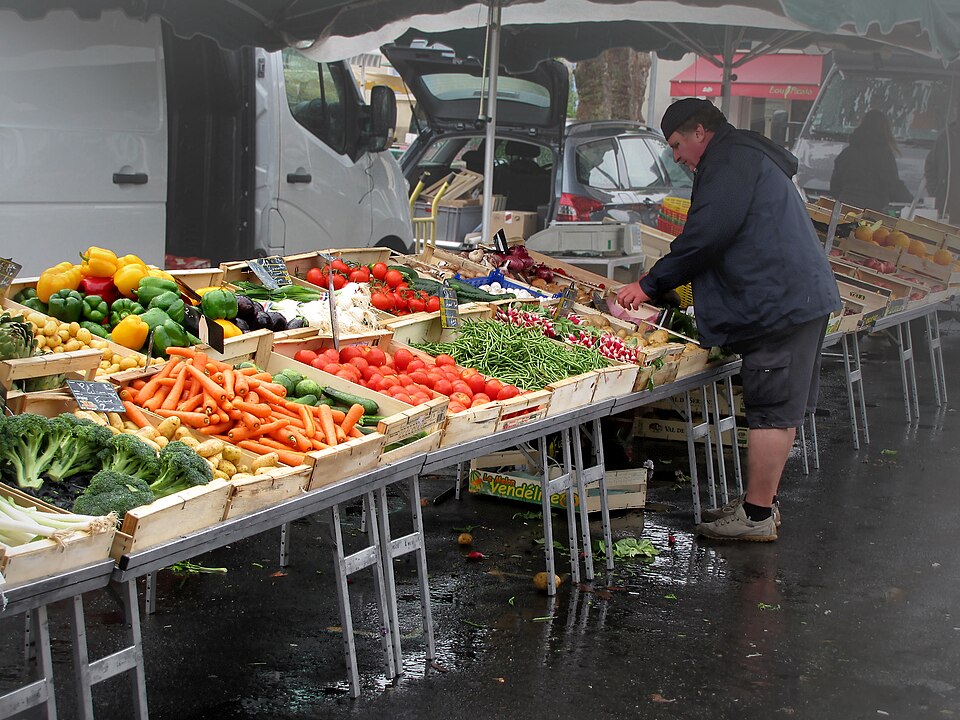
A market is any place where buyers and sellers come together to trade. Farmers markets, grocery stores, and shopping malls are all examples of physical markets. Online marketplaces like websites and apps let people buy and sell without ever meeting in person. Some markets specialize in certain things, like a fish market or a car dealership. No matter what form they take, all markets bring together people who have something to sell with people who want to buy.
The Role of Consumers and Producers
In any economy, there are consumers and producers. Consumers are people who buy and use goods and services, like a family buying groceries or a student buying school supplies. Producers are the people and companies that make or provide those goods and services. Sometimes the same person can be both a consumer and a producer, like a baker who buys flour as a consumer and sells bread as a producer. The relationship between consumers and producers keeps the economy moving.
Advertising and Consumer Choices
Companies use advertising to tell people about their products and convince them to buy. Ads appear on television, websites, social media, billboards, and even inside video games. Some ads give helpful information about a product, while others try to make you feel like you need something you might not actually need. Being a smart consumer means thinking carefully about ads and deciding for yourself whether a product is worth your money. Learning to spot persuasive techniques in advertising is an important life skill.
Taxes and the Cost of Goods
When you buy something at a store, you might notice the total is a little higher than the price on the tag. That extra amount is called sales tax, which is money collected by the government. Governments use tax money to pay for public services like schools, roads, parks, and libraries. Sales tax rates vary from state to state in the United States, and some states do not charge sales tax at all. Understanding taxes helps you know where your money goes and how communities fund the services everyone shares.
Being a Smart Buyer
Smart buyers think before they spend. They compare prices, read reviews, and ask themselves whether they truly need something before making a purchase. Looking for coupons, shopping during sales, and buying used items are all ways to save money while still getting what you need. It is also important to keep receipts in case you need to return something that does not work or does not fit. Developing good buying habits when you are young will help you manage your money wisely for the rest of your life.
 OtterKnow Kids Encyclopedia