The History of Money
Thousands of years ago, people used bartering to get what they needed, but this system was slow and complicated. Some of the earliest forms of money included cowrie shells, beads, and even salt — in fact, the word “salary” comes from the Latin word for salt. Around 600 BCE, the kingdom of Lydia in modern-day Turkey created some of the first metal coins, which were made from a mixture of gold and silver called electrum. Paper money was invented in China during the Tang Dynasty, around the 7th century CE. Over time, countries around the world developed their own currencies with unique designs and values.
Coins and Paper Money
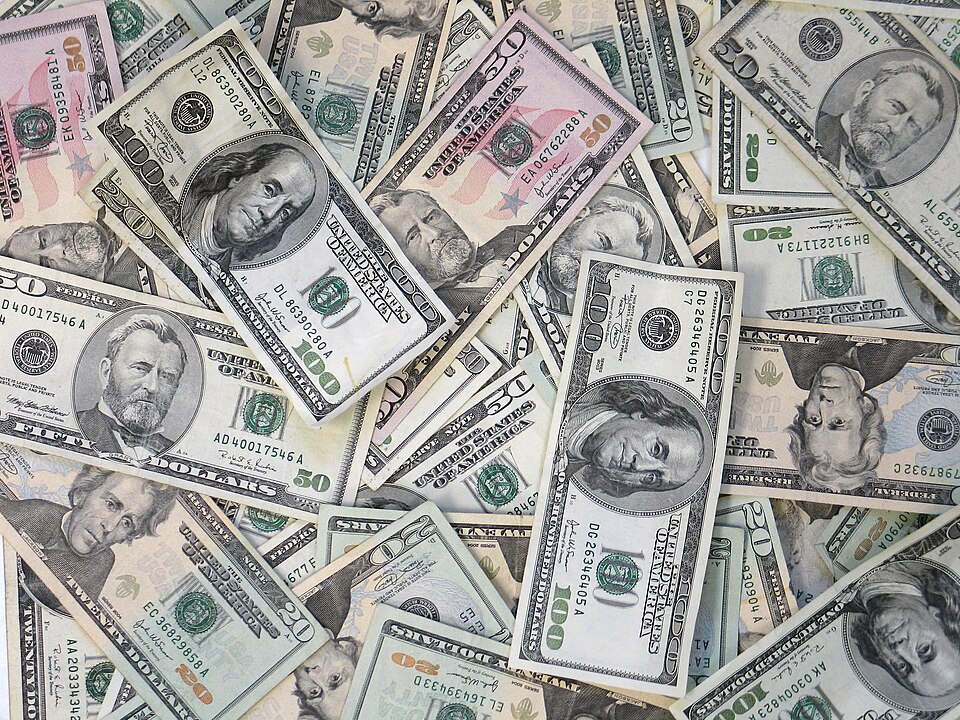
Coins are made from metals like copper, nickel, and zinc, and they are stamped with designs at a government mint. In the United States, the U.S. Mint produces billions of coins each year at facilities in Philadelphia and Denver. Paper money is actually printed on a special blend of cotton and linen, not regular paper, which makes it more durable. The Bureau of Engraving and Printing in Washington, D.C., prints all U.S. paper currency. Bills include security features like watermarks, color-shifting ink, and tiny red and blue fibers to prevent counterfeiting.
Currencies Around the World
Different countries use different currencies, each with its own name and value. The United States uses the dollar, while countries in Europe use the euro, Japan uses the yen, and India uses the rupee. There are over 180 different currencies used around the world today. When people travel to another country, they often need to exchange their money for the local currency at a bank or exchange office. The exchange rate — how much one currency is worth compared to another — changes every day based on supply and demand.
Banks and Saving Money
Banks are places where people can safely store their money, borrow money, and earn interest. When you put money in a savings account, the bank pays you a small amount called interest for letting them hold your money. Banks use the money that people deposit to make loans to other people and businesses. The Federal Deposit Insurance Corporation (FDIC) protects bank deposits up to $250,000, so people do not lose their savings if a bank runs into trouble. Learning to save money is an important skill that helps people prepare for the future and reach their goals.
Digital Money and Online Payments
Today, many people pay for things without using cash at all. Debit cards let you spend money directly from your bank account, while credit cards let you borrow money that you pay back later. Mobile payment apps on smartphones allow people to send money to friends or pay at stores by tapping their phone. Online banking lets people check their accounts, transfer money, and pay bills from a computer or phone. While digital payments are convenient, it is important to keep passwords and account information safe to prevent theft.
The Value of Money
The value of money can change over time through something called inflation. Inflation means that prices go up, so the same amount of money buys less than it used to. For example, a movie ticket that cost about $4 in 1990 might cost $12 or more today. Governments and central banks, like the Federal Reserve in the United States, work to keep inflation at a steady, low level so prices do not rise too quickly. Understanding how the value of money changes helps people make smart decisions about saving and spending.
Being Smart with Money
Managing money wisely is called financial literacy, and it is a skill everyone can learn. A budget is a plan for how to spend and save your money, and it helps you make sure you have enough for the things you need and want. The difference between needs (like food and shelter) and wants (like toys and games) is an important idea in managing money. Many kids earn money through allowances, doing chores, or running small businesses like lemonade stands. Starting good money habits early, like saving part of what you earn, can make a big difference as you grow up.
 OtterKnow Kids Encyclopedia