Bartering in Ancient Times
Before money existed, people traded by bartering, which means swapping one thing directly for another. A farmer might trade a bag of grain for a piece of cloth from a weaver. Bartering worked well in small communities where everyone knew each other. However, it had problems — what if you had fish but the person with the shoes you wanted did not need fish? This difficulty, called the “double coincidence of wants,” eventually led people to invent money as a simpler way to trade.
The Invention of Money
Around 600 BCE, the ancient kingdom of Lydia in present-day Turkey created some of the first metal coins. Coins made trade much easier because everyone agreed on their value, unlike bartered goods. Ancient China also developed early forms of money, including cowrie shells and later paper money during the Tang Dynasty around 700 CE. With money, a fisher could sell fish to anyone, save the coins, and later buy shoes from someone else — solving the bartering problem.
Trade Routes That Changed the World
Ancient trade routes connected distant civilizations and spread goods, ideas, and cultures across continents. The Silk Road stretched over 4,000 miles from China to the Mediterranean Sea, carrying silk, spices, and precious metals. In Africa, trans-Saharan trade routes linked West African kingdoms to North Africa and Europe, trading gold, salt, and other goods. Maritime trade routes across the Indian Ocean connected East Africa, the Middle East, India, and Southeast Asia, creating one of the world’s busiest trading networks for centuries.
The Age of Exploration and Global Trade
In the 1400s and 1500s, European explorers sailed across oceans looking for new trade routes to Asia. Christopher Columbus sailed west in 1492 hoping to reach Asia but instead reached the Americas, opening up trade between the Eastern and Western Hemispheres. This exchange of goods, called the Columbian Exchange, brought new foods like tomatoes, potatoes, and corn to Europe while carrying wheat, horses, and cattle to the Americas. However, this era also brought great harm, including the spread of diseases that devastated Indigenous populations and the forced labor of enslaved people.
The Industrial Revolution and Modern Trade
The Industrial Revolution in the 1700s and 1800s transformed trade by making it possible to produce goods faster and cheaper than ever before. Steam-powered ships and railroads could move large quantities of products across oceans and continents quickly. Factories turned raw materials like cotton and iron into finished products that could be sold around the world. Countries began to specialize in making certain goods, trading what they produced best for things other countries made better.
Trade Today
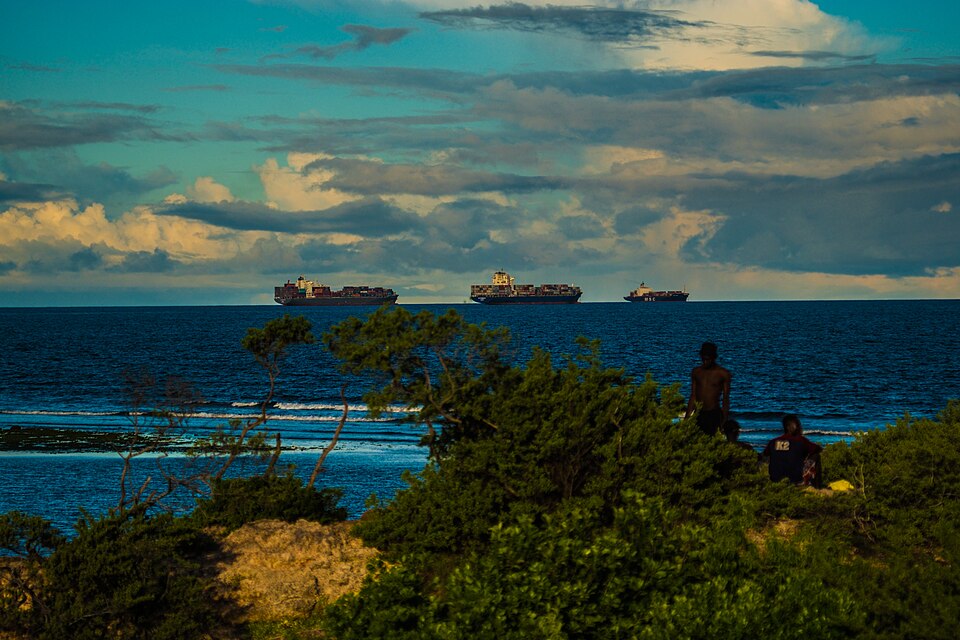
Modern trade is a global system worth trillions of dollars each year. Huge container ships carry millions of tons of goods across the oceans every day, and airplanes transport products that need to arrive quickly. Countries make agreements called trade deals that set rules for buying and selling between nations. The things you use every day — your clothes, your food, your electronics — likely came from many different countries, showing how connected the world has become through trade.
Why Trade Matters
Trade helps people everywhere get access to a wider variety of goods and often at lower prices. When countries trade with each other, they can focus on what they do best, which is called specialization. Trade also encourages peace because countries that depend on each other economically have strong reasons to get along. However, trade can also create challenges, like when jobs move to other countries or when shipping goods long distances harms the environment. Finding the right balance is something leaders and citizens continue to work on today.
 OtterKnow Kids Encyclopedia