Why Astronauts Float in Space
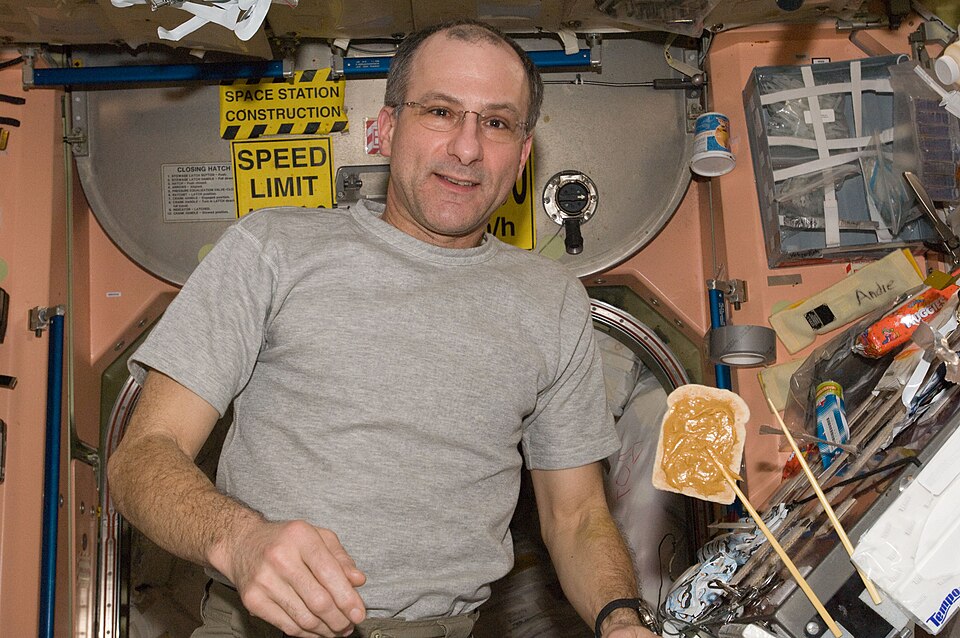
Astronauts float because they and their spacecraft are in a constant state of free fall around Earth. Imagine jumping off a diving board — for a brief moment, you feel weightless before you hit the water. The space station is like that diving board moment, except it never stops falling because it moves so fast sideways that it keeps missing Earth. The station orbits at about 17,500 miles per hour, completing one trip around the planet every 90 minutes. This speed keeps the station and everyone inside it in a continuous free fall, creating the microgravity environment.
Microgravity on the Space Station
The International Space Station orbits about 250 miles above Earth, where gravity is still about 90 percent as strong as on the surface. Everything inside the station floats freely, from astronauts to water droplets to tools. Astronauts must strap themselves into sleeping bags attached to walls so they do not drift while they sleep. They eat food from special pouches and drink liquids through straws to keep them from floating away. Even simple tasks like brushing teeth or washing hair require special techniques in microgravity.
How Microgravity Affects the Human Body
Living in microgravity changes the human body in surprising ways. Without gravity pulling them down, astronauts can grow up to two inches taller because their spines stretch out. Their muscles and bones become weaker because they do not have to work as hard to support the body’s weight. Fluids in the body shift toward the head, which can make astronauts’ faces look puffy and give them headaches. To fight these effects, astronauts exercise for about two hours every day using special machines that work in microgravity.
Science Experiments in Microgravity
Scientists use microgravity to run experiments that would be impossible on Earth. Without gravity pulling things down, researchers can study how crystals grow more perfectly, which helps develop better medicines. Fire behaves differently in microgravity, burning in round shapes instead of the tall flames we see on Earth. Plants can be studied to see how they grow without gravity guiding their roots downward. These experiments have led to discoveries that help people on Earth, from improved water purification systems to new ways of treating diseases.
Experiencing Microgravity on Earth
You do not have to go to space to experience short moments of microgravity. NASA uses special airplanes called “vomit comets” that fly in steep roller-coaster patterns to create about 25 seconds of weightlessness at a time. Drop towers are tall buildings where experiment capsules are dropped from the top, creating a few seconds of microgravity as they fall. Amusement park rides like free-fall towers give riders a brief taste of weightlessness at the top of the drop. These methods help scientists test experiments and train astronauts before they go to space.
Microgravity and Future Space Travel
Understanding microgravity is essential for planning long missions to the Moon and Mars. A trip to Mars could take six to nine months each way, so scientists need to know how to keep astronauts healthy during extended time in microgravity. Some engineers are designing spacecraft that spin slowly to create artificial gravity, which could help prevent muscle and bone loss. Research on the space station today is helping solve these problems for future explorers. The lessons learned from studying microgravity will make deep space travel safer for everyone.
Fun Facts About Microgravity
In microgravity, tears do not fall down your cheeks — they form into floating blobs that stick to your eyes. Astronaut Scott Kelly spent 340 consecutive days on the space station, one of the longest microgravity stays ever. Candle flames in microgravity are blue and spherical instead of yellow and teardrop-shaped. Water in space forms perfect floating spheres because there is no gravity to flatten them. Even spiders have been sent to the space station, and they eventually learned to spin webs in microgravity after some initial confusion.
 OtterKnow Kids Encyclopedia