Newton’s Third Law and Thrust
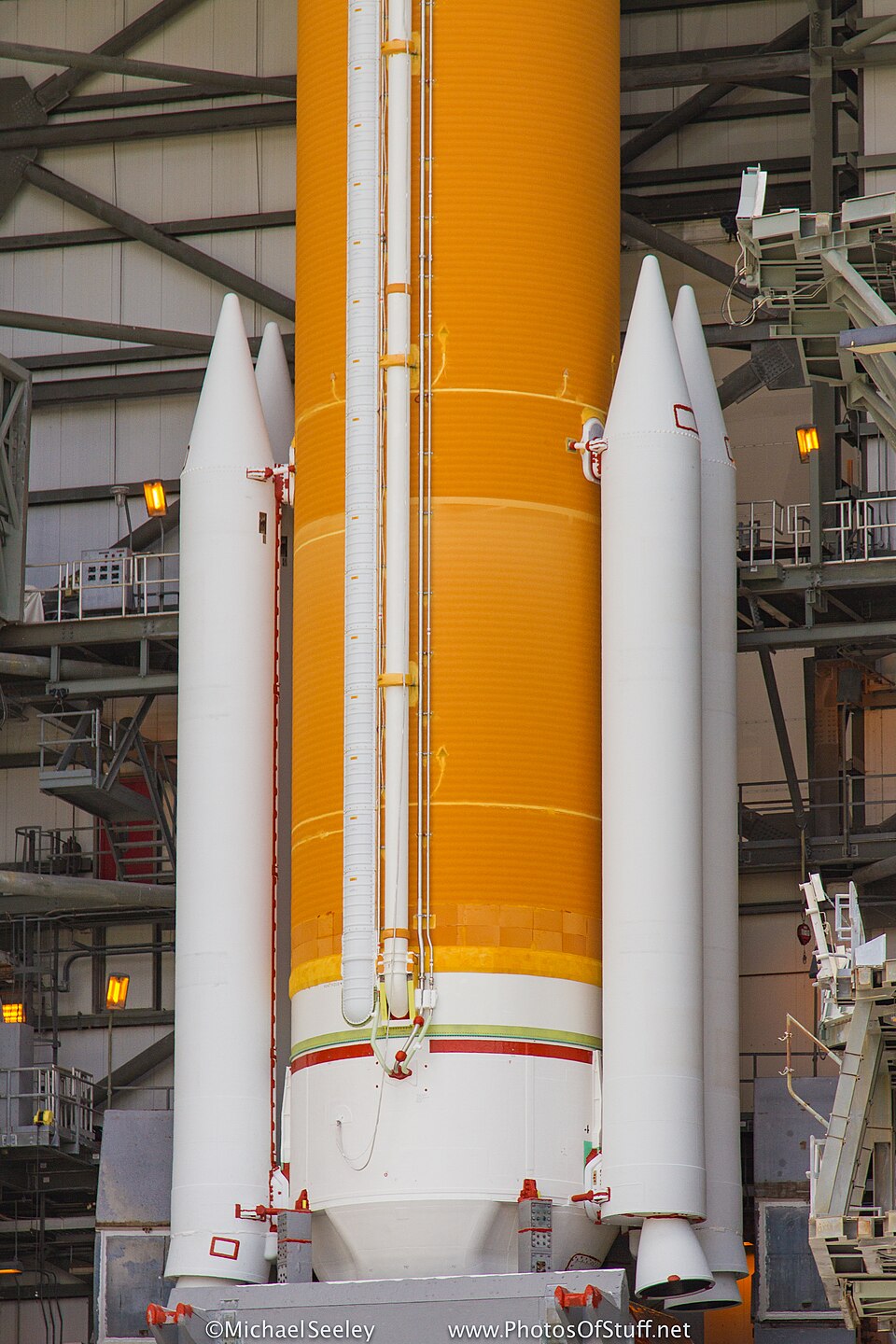
Rockets work because of a simple but powerful rule of physics called Newton’s Third Law of Motion. This law says that for every action, there is an equal and opposite reaction. When a rocket burns fuel and pushes hot gases downward out of its engines, the rocket is pushed upward in the opposite direction. This upward push is called thrust, and it is what lifts the rocket off the launch pad. You can see this same principle at work when you blow up a balloon and let it go — the air rushes out one end, and the balloon flies the other way.
Rocket Fuel and Combustion
Rockets need two main ingredients to create thrust: fuel and an oxidizer. The fuel is the substance that burns, while the oxidizer provides the oxygen needed to make the fuel burn. Liquid hydrogen and liquid oxygen are common propellants used in many modern rockets. When these two substances mix and ignite in the combustion chamber, they create an explosion of super-hot gases that shoot out of the rocket’s nozzle. Some rockets use solid fuel instead, which works like a giant firework that burns steadily once it is lit.
Stages of a Rocket
Most rockets are built in sections called stages, and each stage has its own engines and fuel supply. When the first stage runs out of fuel, it separates and falls away, making the rocket lighter so the next stage can take over. The Saturn V rocket that carried astronauts to the Moon had three stages and stood over 110 meters (363 feet) tall. Dropping empty stages is important because carrying extra weight would waste fuel and slow the rocket down. Today, companies like SpaceX have developed reusable first stages that can land back on Earth and fly again.
Escaping Earth’s Gravity
To leave Earth and reach space, a rocket must travel at a very high speed called escape velocity. For Earth, escape velocity is about 11.2 kilometers per second, or roughly 40,000 kilometers per hour (25,000 miles per hour). Earth’s gravity is constantly pulling everything toward the ground, so a rocket must produce enough thrust to overcome that pull. The boundary of space is generally considered to be about 100 kilometers (62 miles) above Earth’s surface, known as the Karman line. Once a rocket reaches orbit, it is moving so fast sideways that it keeps falling around Earth instead of back down to the ground.
Types of Rockets
There are several different types of rockets, each designed for specific missions. Sounding rockets are small rockets that carry scientific instruments on short trips into the upper atmosphere. Launch vehicles are large rockets built to carry satellites or spacecraft into orbit around Earth. The Space Launch System (SLS) built by NASA is one of the most powerful rockets ever made and is designed for deep space missions. Some rockets, like the Falcon 9, are designed to be partially reusable, which helps reduce the cost of space travel.
Famous Rockets in History
The V-2 rocket, developed in Germany during the 1940s, was the first large rocket to reach the edge of space. In 1957, the Soviet Union used an R-7 rocket to launch Sputnik, the first artificial satellite, into orbit. NASA’s Saturn V remains one of the most famous rockets ever built, carrying 12 astronauts to the surface of the Moon between 1969 and 1972. The Space Shuttle, which flew from 1981 to 2011, was the first reusable spacecraft and completed 135 missions. Each of these rockets represented a major leap forward in our ability to explore beyond Earth.
The Future of Rockets
Scientists and engineers are constantly working on new rocket technologies to make space travel faster, safer, and cheaper. Reusable rockets are becoming more common, which means we do not have to build a brand-new rocket for every single launch. NASA and private companies are developing rockets powerful enough to carry astronauts to Mars in the coming decades. Ion engines, which use electricity to push tiny particles instead of burning fuel, are being tested for long-distance space missions. The future of rockets is exciting because better technology means more people may one day have the chance to travel to space.
 OtterKnow Kids Encyclopedia