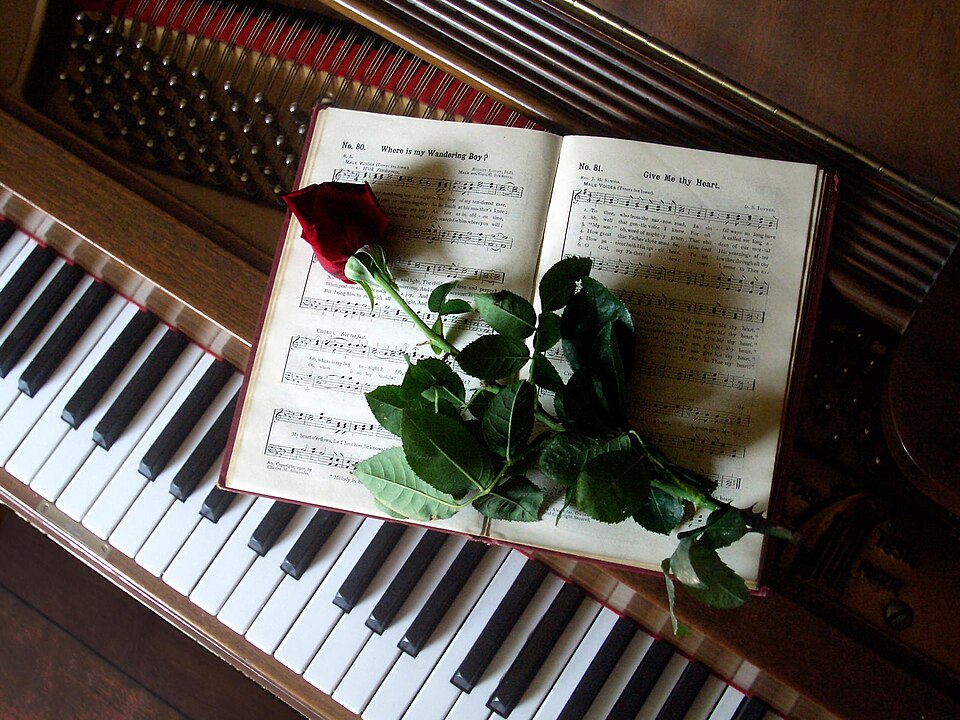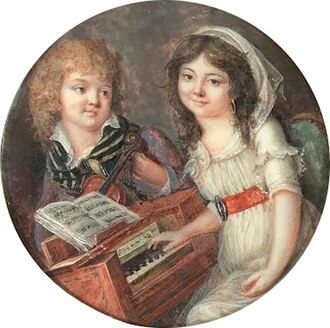
Music can be written down, just like words! When you read a book, you look at letters and words. When you read music, you look at notes and symbols. These tell a musician what sounds to play and how long to play them. Learning to read music is like learning a new language.
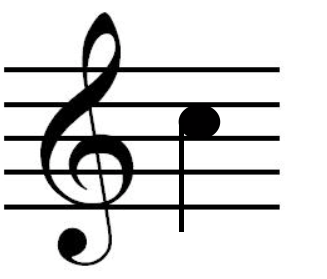
Some notes last a long time, and some are very quick. A whole note is an open circle, and you hold it for four beats. A half note has a line called a stem and you hold it for two beats. A quarter note is filled in and gets one beat. When you see a rest, that means silence — no sound at all!
At the start of a piece of music, you will see two numbers stacked up. This is called the time signature. The top number tells you how many beats are in each group. Most songs have four beats in a group. Lines called bar lines break the music into small sections called measures. This helps you keep your place while you play.
- The seven notes in music are named after the first seven letters of the alphabet: A, B, C, D, E, F, and G.
- The treble clef is sometimes called the G clef because it curls around the line where the note G sits.
- Musicians have been writing down music for over 1,000 years!
- A sharp symbol raises a note a tiny bit higher, and a flat symbol lowers it a tiny bit.
- The phrase “Every Good Boy Does Fine” helps you remember the notes on the lines of the treble clef.
OtterKnow Kids Encyclopedia