What Is Coevolution?
Coevolution happens when two different species affect each other’s evolution over a long period of time. As one species changes, the other changes in response, and back and forth it goes across thousands of generations. This can happen between predators and prey, between parasites and their hosts, or between animals and the plants they depend on. The key idea is that neither species is evolving alone — they are driving each other’s changes.
Darwin’s Moth and the Star Orchid
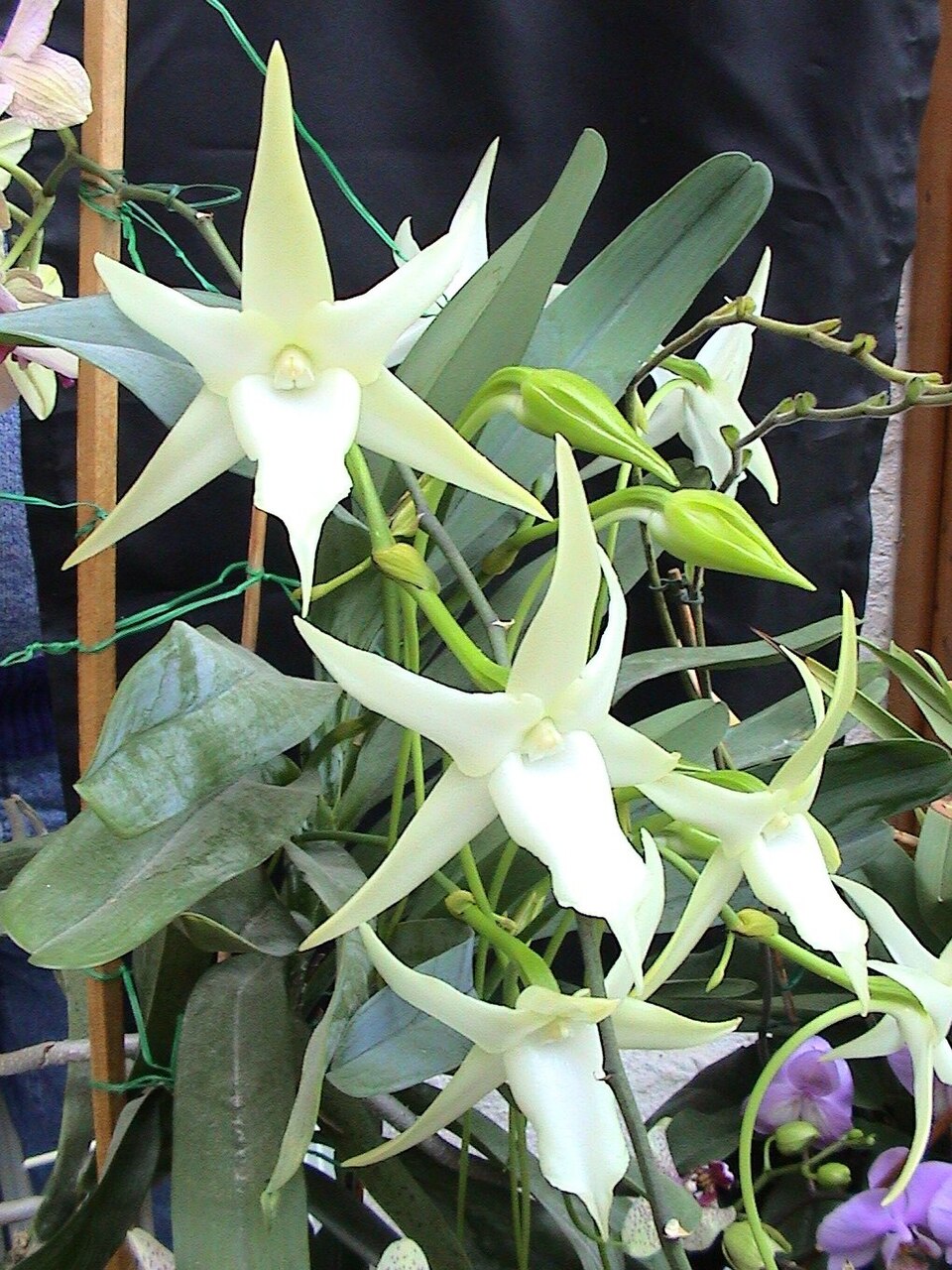
One of the most famous examples of coevolution involves a flower and a moth on the island of Madagascar. In 1862, the scientist Charles Darwin received a specimen of the Madagascar star orchid, a beautiful white flower with a nectar tube nearly 30 centimeters (12 inches) long. The sweet nectar that pollinators want sits at the very bottom of this extraordinarily deep tube.
Darwin was astonished. He predicted that somewhere in Madagascar, there must be a moth with a tongue long enough to reach the bottom — otherwise, how would the flower get pollinated? Other scientists laughed at the idea. A bug with a foot-long tongue? Ridiculous!
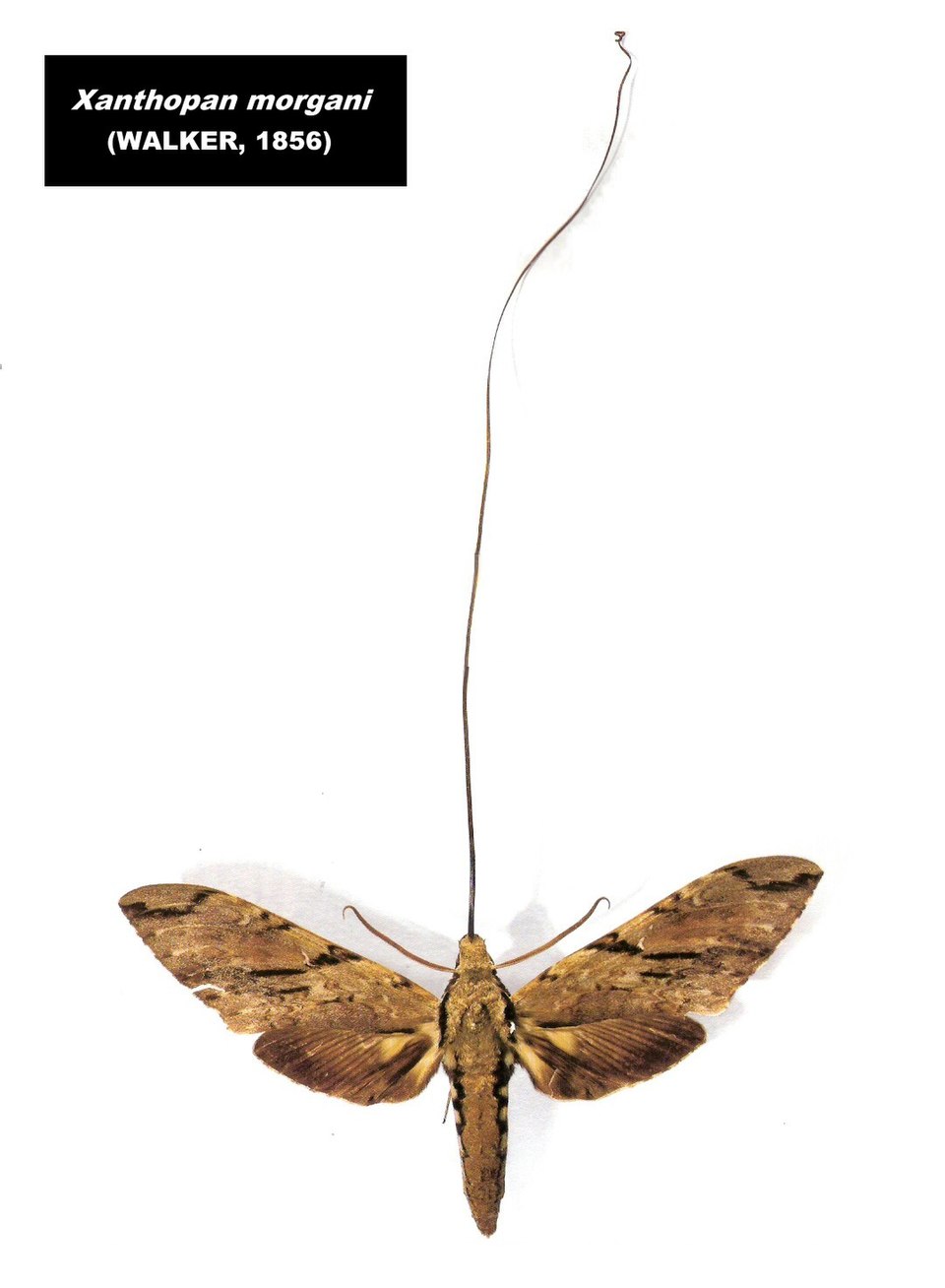
Darwin died in 1882 without ever seeing the moth. But in 1903, researchers in Madagascar’s jungles discovered a hawk moth with a proboscis (tongue) extending to nearly 30 centimeters — exactly as Darwin had predicted. They named it Xanthopan morganii praedicta, meaning “the predicted one.” It was not until 1992 that scientists finally filmed the moth drinking from the orchid at night, fully confirming Darwin’s prediction 130 years later.
How the Arms Race Works
So how did the orchid and the moth end up so extreme? It happened gradually, through what scientists call a coevolutionary arms race.
Imagine an early version of the orchid with a short nectar tube. Many different insects could drink from it. But some of those insects were sloppy — they would drink the nectar without getting close enough to pick up pollen. The orchid got nothing in return.
Orchids that happened to have slightly longer tubes had an advantage. To reach the nectar, a moth had to push its face deep into the flower, which meant pollen stuck to its head and got carried to the next flower. Better pollination meant more seeds and more baby orchids with long tubes.
Meanwhile, moths with slightly longer tongues had their own advantage — they could reach nectar that shorter-tongued competitors could not. More food meant better survival and more baby moths with longer tongues.
Over millions of years, this back-and-forth pressure pushed both species to extremes: a foot-long nectar tube and a foot-long tongue. Each one made the other more extreme.
Other Examples of Coevolution
The moth and orchid are far from the only example. Coevolution is happening all around us:
Bees and flowers. Many flowers have evolved bright colors, sweet scents, and special shapes specifically to attract bees. In return, bees evolved hairy bodies that are perfect for collecting and spreading pollen. Some flowers even have markings that are invisible to humans but glow under ultraviolet light — which bees can see — acting like runway lights pointing to the nectar.
Cheetahs and gazelles. Cheetahs evolved incredible speed to catch prey. But gazelles evolved incredible speed too — to escape. This predator-prey arms race has made both animals among the fastest on Earth.
Milkweed and monarchs. Milkweed plants produce toxic chemicals to stop insects from eating them. But monarch butterfly caterpillars evolved the ability to eat milkweed without being harmed. They even store the toxins in their bodies, making themselves poisonous to birds!
Fig trees and fig wasps. Each of the roughly 900 species of fig tree is pollinated by its own specific species of tiny wasp. The wasp lays its eggs inside the fig, and the fig provides food for the wasp larvae. Neither can survive without the other.
Why Coevolution Matters
Coevolution shows us that species do not evolve in isolation. The natural world is a web of relationships, and changes in one species ripple out to affect others. This is one reason why protecting biodiversity is so important — when one species disappears, the species that evolved alongside it can be left without a partner. The Madagascar star orchid without its hawk moth would have no pollinator. The hawk moth without the orchid would lose its exclusive food source. They need each other to survive.
Fun Facts
- Darwin’s prediction about the moth was one of the earliest and most dramatic confirmations of natural selection applied to plant-pollinator relationships.
- The word “coevolution” was not widely used until the 1960s, even though Darwin described the concept over a century earlier.
- Some orchids have evolved to look and smell like female insects to trick males into trying to mate with them — spreading pollen in the process. This is called pseudocopulation.
- Coevolution can also happen between a species and a disease. Humans and the malaria parasite have been coevolving for thousands of years.
 OtterKnow Kids Encyclopedia