The Great Migration
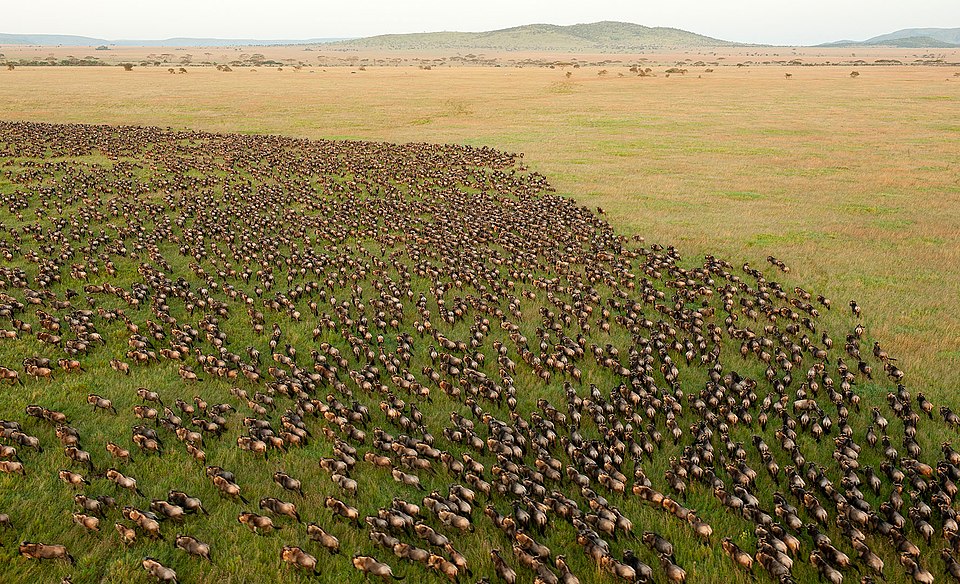
The Serengeti is home to the Great Migration, the largest movement of land animals on Earth. About 1.5 million wildebeest, 400,000 zebras, and 300,000 gazelles travel in a huge circular route through the Serengeti and into Kenya’s Masai Mara ecosystem every year. The animals follow the seasonal rains, searching for fresh grass and water. Along the way, they must cross rivers filled with crocodiles and avoid predators like lions and hyenas. This incredible journey covers roughly 800 kilometers and has been happening for thousands of years.
Amazing Wildlife
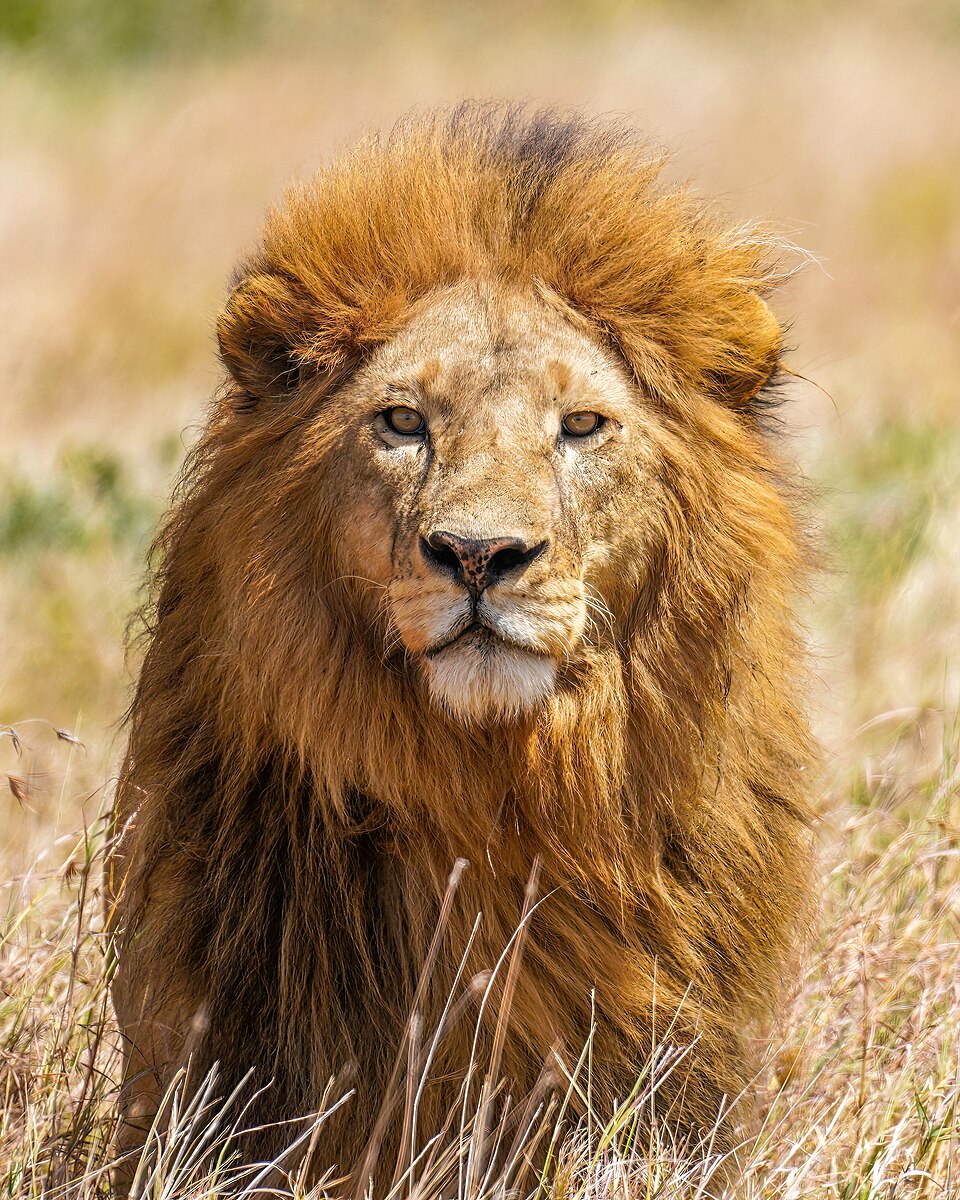
The Serengeti supports the densest concentration of large mammals anywhere on Earth. It is home to about 3,000 lions, the largest lion population in all of Africa. Visitors can also spot leopards, cheetahs, elephants, hippos, giraffes, and hyenas roaming the plains. The park is also a birdwatcher’s paradise, with more than 500 species of birds, from tiny sunbirds to massive ostriches. Crocodiles lurk in the rivers, and huge herds of gazelles and buffalo graze on the grasslands.
The Land and Climate
The Serengeti landscape is mostly vast, flat grassland dotted with small, rocky hills called kopjes. These kopjes are made of ancient granite and provide shelter for animals like lions, hyraxes, and snakes. The park has two main seasons: a wet season from November to May and a dry season from June to October. During the wet season, the southern plains turn bright green with new grass, attracting huge herds of grazing animals. In the dry season, animals move north and west to find water and greener pastures.
The Maasai People
The Maasai people have lived in the Serengeti region for centuries, herding cattle across the same grasslands where wild animals roam. When the national park was created in 1951, the Maasai were moved out of the area so that the wildlife could be protected. This decision has been a source of ongoing tension, because the Maasai lost access to land they had used for generations. Today, some Maasai communities live near the park’s borders and work as guides or in tourism. Their deep knowledge of the land and animals continues to be an important part of the Serengeti’s story.
Science and Research
Scientists have studied the Serengeti ecosystem more intensively than almost any other ecosystem on Earth. Researchers come from around the world to study how predators and prey interact, how fire and rain shape the grasslands, and how the Great Migration works. Long-term studies going back decades have helped scientists understand how ecosystems stay healthy and balanced. The data collected in the Serengeti has been used to protect wildlife in parks and reserves across Africa and beyond. This research helps us understand how all living things in an environment depend on each other.
Tourism and the Economy
About 350,000 tourists visit the Serengeti National Park every year to see its wildlife. Tourism is Tanzania’s largest source of foreign income, and the Serengeti is its biggest attraction. Visitors go on safari drives in jeeps, watching animals in their natural habitat from a safe distance. The money from tourism helps pay for park rangers, anti-poaching efforts, and road maintenance. It also supports local communities by creating jobs in lodges, restaurants, and transportation.
Protecting the Serengeti
Protecting the Serengeti is a constant effort. Park rangers work hard to stop poaching, which threatens elephants, rhinos, and other animals. Conservationists are also concerned about proposals to build roads and other development through the park, which could disrupt the Great Migration. Climate change is another challenge, because shifts in rainfall patterns could change the timing of the migration and affect the animals that depend on it. People around the world care about the Serengeti because it is one of the last places where millions of wild animals still roam freely across the landscape.
 OtterKnow Kids Encyclopedia